Browse Exhibits (6 total)
Black Settlement in Nova Scotia: From Louisbourg to Africville
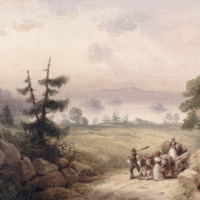
People of African descent have been a significant part of Nova Scotia's history from the 18th century to the modern day. Black communities had existed in the province from the time of the French fortress at Louisbourg through a mix of enslaved labourors, free black residents, and the later arrival of the Jamaican Maroons, but all of these groups faced remarkable systemic hardship. in the late 1700s, thousands of black loyalists, promised freedom and land in exchange for support in the American Revolution, settled towns such as Birchtown and Shelburne, only to recieve poorer, smaller lands, and face violence as seen in the Shelburne riots of 1784. However, these communities ultimately peresevered, forming settlements that, in many cases, persisted to the modern day in spite of the hardships they faced. In the 20th century, the town of Africville in Halifax became the most famous example of the discrimination faced by black communities in Nova Scotia. This isolated yet vibrant community, established in 1848, was denied basic infrastructure, taxed unfairly, and eventually demolished by Halifax municipal authourities in the 1960s. This was a turning point as Nova Scotia's attitudes towards race began to improve, and advocacy by black leaders such as Eddie Carvery and W.P. Oliver made the isuues facing black communities difficult for Governments to ignore. Despite all of these barriers, black settlements in the province persisted. This exhibition seeks to examine these communities from the perspectives of those that formed and lived in them, highlighting settlers from the 18th to 20th centuries, utilizing archival records, photographs, and primary texts to illuminate the endurance and realities of Black Nova Scotians over three centuries.
Black Women In White Scrubs
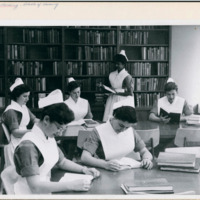
People of African descent have played a crucial role in the First and Second World Wars. Although Black people were allowed to fight as early as before Confederation, though often in segregated units, they continuously experienced discrimination. In the U.S., the need for nurses during the Spanish Flu forced the government to let Black nurses work, due to the overwhelming number of patients. On the other hand, Canadian universities, such as the University of Toronto, McGill, Dalhousie, and other nursing schools, banned women of colour from receiving the necessary education until the 1940s, so the only option for them was to travel south to study in America. However, the rapidly changing Canadian healthcare system had a shortage of caregiver staff, which the government tried to fulfill in multiple ways, including encouraging young girls to pursue this career and immigration, but these efforts were unable to completely eradicate the labour shortage in patient-care staff after the war. Although slowly, Canada’s attitude towards race was starting to shift. Still, restrictions towards the migration of Black people were stricter and lasted longer than those towards Europeans, even from the “undesired” parts of the continent. However, the laws aimed at restricting Black immigration did not completely stop it, so even before the government started reducing these racist limitations in the 1950s, nurses of African descent still moved to Canada in small numbers. Both groups faced discrimination in employment, pay, education, and other areas regarding the field of nursing. This exhibition intends to showcase the experiences of these nurses, their contributions to the field of medicine, the difficulties they faced on the governmental and societal level, and shine a light on their individual lives. Using first-hand accounts, photographs, as well as research by other historians, this exhibit intends to highlight the hard work of Black nurses in postwar era Canada.
Coloured Boxes Do Not Define Us

Youtube Video: https://www.youtube.com/watch?v=i5swol3yodw
This video explores the importance of parental assistance when children begin considering and observing racial differences. Awa Diop, mother of children who went through just this, shines light on the situation by sharing her own story.
Detroit, Windsor, and the 1970s: Black Officers Changing the Game

This project explores into the experiences of black police officers in the 1970s, focusing on a man named Don Chase and how his time in the police force was a push for change, much like many others, and how dispite being put directly in the face of discrimination, he and many others managed to not only get by, but succeed and flourish in an inspirational way. The success that these police officers had when being placed directly in the midst of a prodominantly white career, used their unique advantages that their racial identity afforded them to create bridges and connections to marginalized neighborhoods.
https://youtu.be/V5bwzEZa8do
From The Caribbean To Cokeville
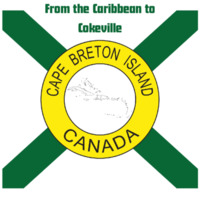
Nova Scotia's Dominion Iron & Steel Company (DISCO) in Sydney, Cape Breton, DISCO flourished in production to make Sydney an important industrial city. After this DISCO used the labour of many African descendent immigrant workers from America and the West Indies. Under the promise of higher wages, their families being transported with them for free, and nicer accommodations, they made their way over to work for the company, where they were made to endure the most unpleasant work in the steel mill and disgustingly bad housing in the worst part of Whitney Pier, known as Cokeville. Many left Cape Breton after the façade of lies was broken and they saw reality but the ones that did stay or moved to other labour-based towns in Cape Breton changed the history of these places in many different ways. This exhibit features three main tabs: the recruitment of steelworkers, a look at UNIA chapters in Cape Breton, and what life was like outside of steelwork for the community.
Ma'afu - About The Music

Ma'afu - About The Music | VIDEO LINK
Jazz music on the Canadian West Coast is a cultural mixing pot centered around the Black experience in Canada. Subject to the prejudices of segregation and discrimination from its inception in the early 1900s, it is important to examine how this facet of culture evolved alongside the topic of race in society. Having the privilege to interview Ma’afu Keteca, a jazz musician based in Vancouver, British Columbia, Ma’afu was able to share his insight on this topic and how the Vancouver jazz scene is now with reflections on how race affected it in the past. This exhibit contains a video showcasing excerpts from the interview and historical context, a brief biography on myself and my interviewee, and a biblography/end credits page.