Browse Items (687 total)
Sort by:
Scotch Highlands
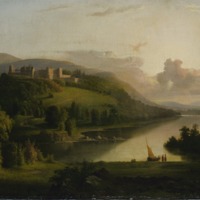
This dramatic Highland view shows Duncanson’s engagement with the European Romanticism style. Including it shows how he was intentionally bridging Old World traditions with the New World setting.
Le Lac Beauport
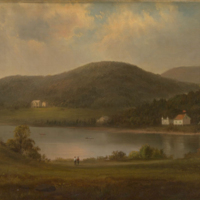
This landscape captures a serene Quebec lakeside in Duncanson’s signature tonal palette and detailed style. It demonstrates how he integrated Canadian subjects into his broader transnational artistic career.
Sunset Study
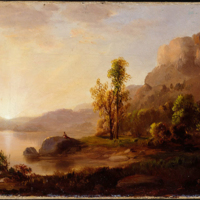
Duncanson’s Sunset Study focuses on lighting and emotional atmosphere rather than his usual detailed narrative. Its presence in the exhibit underscores his sensitivity and talent across genres.
Meeting by the River
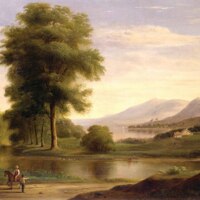
This tranquil riverside gathering presents a human presence within the natural environment. It highlights Duncanson’s commitment to depicting everyday life as part of the landscape narrative.
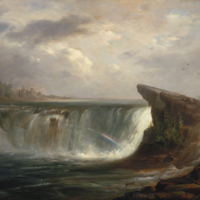
Land of the Lotus Eaters
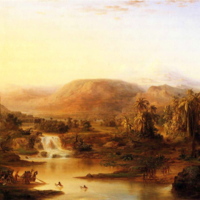
This very ambitious narrative landscape draws on classical literature, showing Duncanson's creative confidence within European artistic traditions. Its inclusion highlights how Black artists participated in and expanded the intellectual and cultural…
Landscape with Rainbow
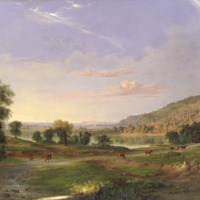
One of Duncanson’s most celebrated works, this painting uses the rainbow as a symbol of peace, hope, and spiritual renewal. Its inclusion speaks to how Black artists encoded deeper meanings into seemingly conventional vistas. Created just before the…
View of the St. Anne’s River

The calm river scene shows Duncanson’s preferences for quiet, reflective landscapes. Its presence emphasizes his deeper engagement with Quebec’s natural environments during his time in Canada.
Waterfall on Mont-Morency
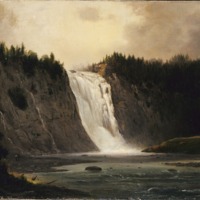
Depicting one of Quebec’s most iconic waterfalls, this painting demonstrates Duncanson’s skill in capturing motion and grandeur. It reinforces his significant and often under-recognized contributions to early Canadian visual culture.
A View in the Laurentian Mountains, near Québec
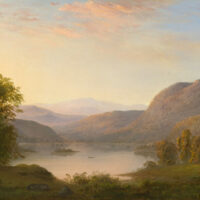
This mountain vista reflects Duncanson’s interest in vast, unbroken natural spaces. It highlights how Black artists contributed to constructing the visual aesthetics of the Canadian wilderness.