Browse Items (687 total)
Sort by:
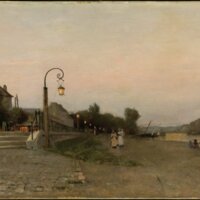
On the St. Annes, Canada East
This landscape shows Duncanson’s engagement with Canadian geography during his time in Quebec. It reinforces the exhibit’s argument that Black artists helped shape the early visual culture of Canada.
Orangeville Lions Club Minstrel Show

Black and White Still Image of a Minstrel Show occurring at Orangeville Lions Club in Ontario, during the 1950s. Pictured are around 2 dozen men on a stage, wearing face paint to darken their skin.
Order-In-Council 1911
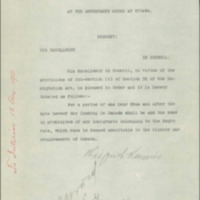
A bill was set into the council of the Immigration Act prohibiting any person of African descent from entering Canada for one year. The explanation was that they were deemed unsuitable for the climate and requirements.
Ordonnance Concernant l'Esclavage Au Canada

This document represents a significant turning point in the history of Canadian slavery. Issued by Intendant Jacques Raudot, a high-ranking royal official in New France, in 1709, this ordinance officially recognized the right of colonists to own…
Oscar Peterson And Daisy Peterson Photograph

The photo shows both Daisy and Oscar Peterson playing piano. Oscar would soon become one of the greatest jazz pianists in the world. His music strengthened the human rights movement becoming a symbol of Black excellence and bringing both white and…
Oscar Peterson Portrait
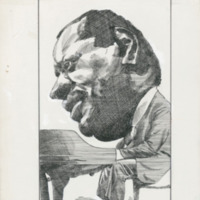
Widely regarded as one of the greatest jazz pianists of all time, Oscar Peterson performed with legendary figures such as Ella Fitzgerald, Billie Holiday, Dizzy Gillespie, and Louis Armstrong. Born to a railway porter and a domestic worker, Peterson…
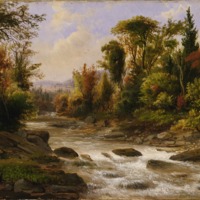
Owl's Head Mountain
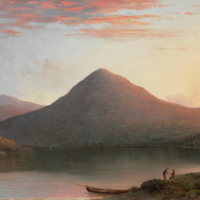
This mountainous view demonstrates Duncanson’s ability to balance a sense of grandeur with more quiet introspection. Its presence in the exhibit again asserts his role in mapping the visual identity of the Canadian East.
Palais Royal Dancing Hall
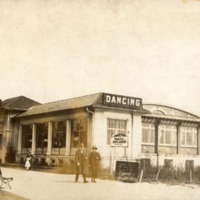
Picture of Palais Royal in Toronto, a very well known leisure spot for dancing c. 1930s for white people only. After several protests from the Black communities in the area, they desegregated in 1947. Only after 27 years of being open as a dancing…