The First Settlers: Louisbourg and Loyalists
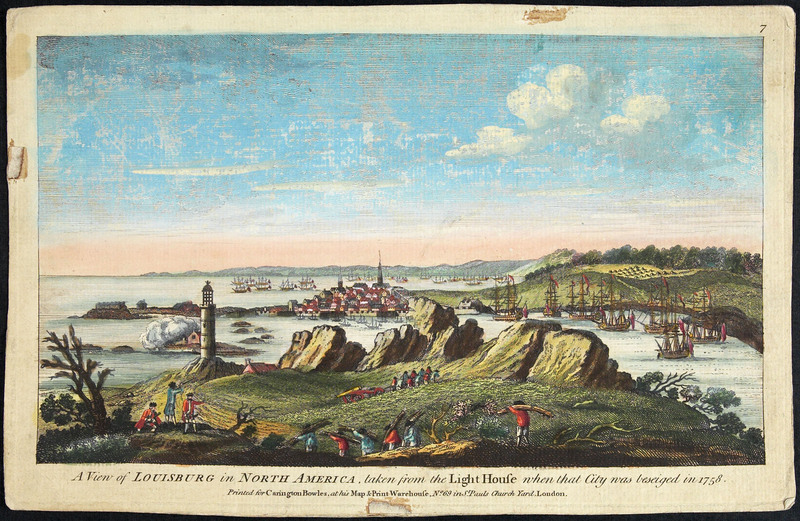
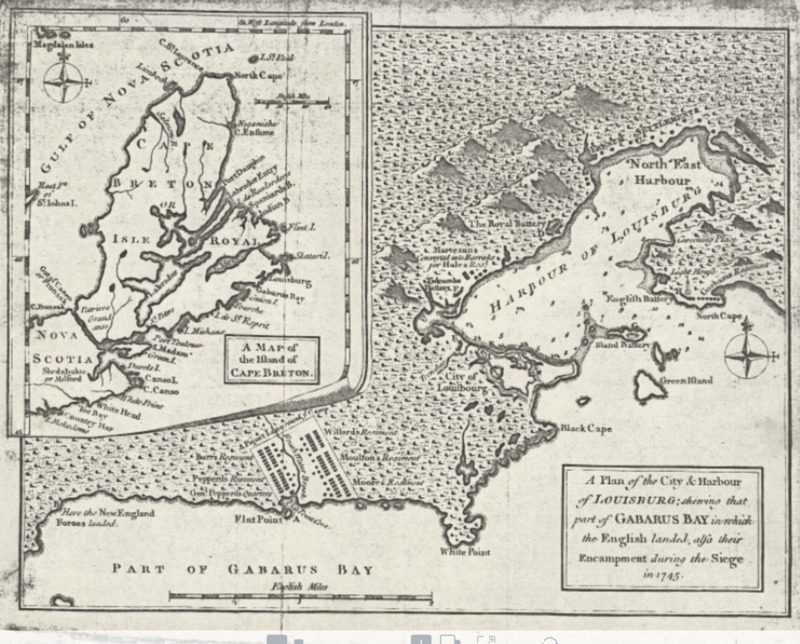
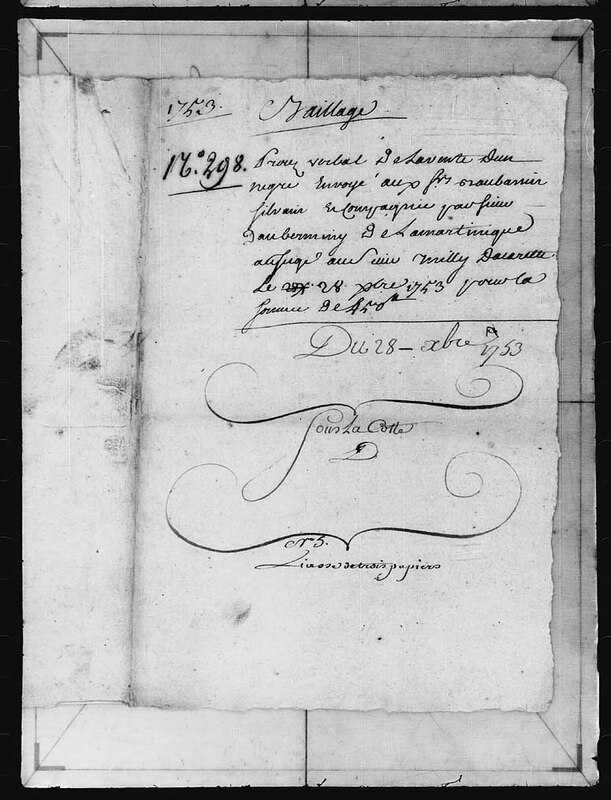
Louisbourg served as a centre for slavery for the extent of time that Cape Breton served as a French colony, from 1713 until its capture by Britain in 1758. As a result, the first major black community in the province could be seen to begin here. the pictured document, entitled "Procès-verbal de la vente d'un nègre envoyé aux sieurs Beaubassin" or "Official Report of the Sale of a Black man Sent to Messrs. Beaubassin" is a record from the French colonial Government detailing the sending of a black man named Toussaint to Louisbourg for the purpose of being sold. The auction was conducted on December 28th, 1752, wherein Toussaint was sold to one Michel Daccarette for 450 livres, roughly equivalent to 4.5 years of wages for an average labourer.
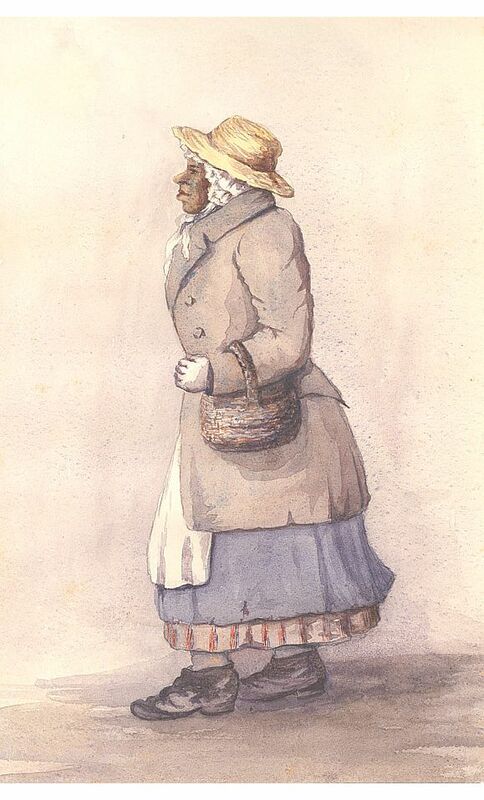
The above image displays a painting of one Rose Fortune, a resident of Annapolis Royal. While Rose is known to have died in 1867, her birth date was unknown, although it was likely at some point in the 1780s. She was the daughter of a free man, Fortune, who came with his family to Nova Scotia following the American Revolution, appearing in records as with his wife and a child above the age of ten. the authour of the painting is unknown, but as Fortune did not hold a postion of significance of Annapolis Royal, it is likely that she was of particular note and personality among the residents of the town.
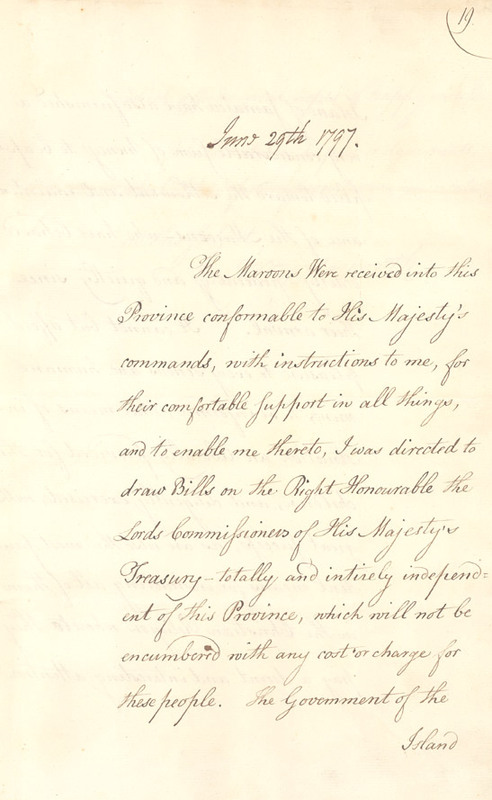
Another significant Black community arriving in Nova Scotia at this time were the Jamaican Maroons, forcibly exhiled to the province following a failed rebellion against the Jamaican Government. in this letter, Lieutenant Governer John Wentworth writes of the recently arrived maroons with a hope that they could be good settlers. He beleived them to be brave and respectable people, but that they needed to be "civilized" through introduction to Christian religion. The maroons, brave as they were, had no interest in changing their religions, and so Wentworth eventually conceded that they could not be civilized. The Maroons, much like Black Loyalists in Nova Scotia, had lost much of their numbers seeking better fortune in Sierra Leone by the 19th century.