Browse Items (687 total)
Sort by:
View of the St. Anne’s River

The calm river scene shows Duncanson’s preferences for quiet, reflective landscapes. Its presence emphasizes his deeper engagement with Quebec’s natural environments during his time in Canada.
Waterfall on Mont-Morency
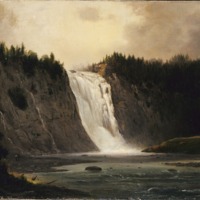
Depicting one of Quebec’s most iconic waterfalls, this painting demonstrates Duncanson’s skill in capturing motion and grandeur. It reinforces his significant and often under-recognized contributions to early Canadian visual culture.
A View in the Laurentian Mountains, near Québec
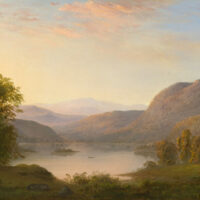
This mountain vista reflects Duncanson’s interest in vast, unbroken natural spaces. It highlights how Black artists contributed to constructing the visual aesthetics of the Canadian wilderness.
Le Lac Saint-Charles
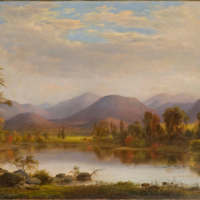
This painting presents another Quebec lakeside, rendered with Duncanson’s talent in handling water and sky. It reinforces his very significant, yet often overlooked, contribution to the Canadian landscape tradition.
Owl's Head Mountain
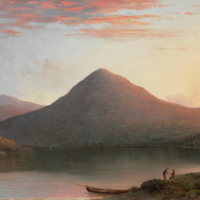
This mountainous view demonstrates Duncanson’s ability to balance a sense of grandeur with more quiet introspection. Its presence in the exhibit again asserts his role in mapping the visual identity of the Canadian East.
A Cinema of Duty: The Films of Jennifer Hodge De Silva.
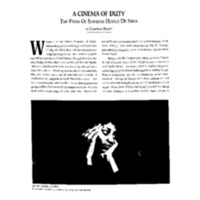
Now this is a section of a magazine that talks all about the films of Jennifer Hodge De Silva. It talks about her earliest time in the film field even starting in 1973 with her York Uni diploma. Then it talks about her time with the NFB and CBC and…
Journey To Justice Cover
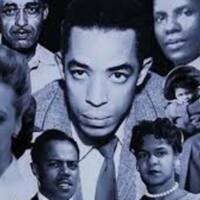
This is Roger McTair's documentary called Journey to Justice and it was released in the year 2000. It is about six huge names in Black Canadian history and highlights their stories with segregation, discrimination, racial profiling and more. This…
Cape Breton Flag
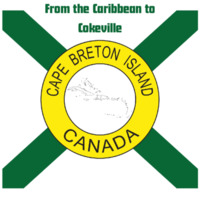
Cape Breton flag edited with the West Indies in the middle.
BC HOF Page Jay Sharrers
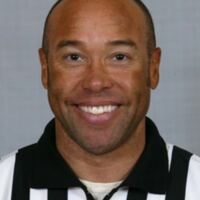
A canadian born and raised in BC, inducted into the BC hall of fame as shown for contributions to the sport.