
Browse Items (96 total)
-
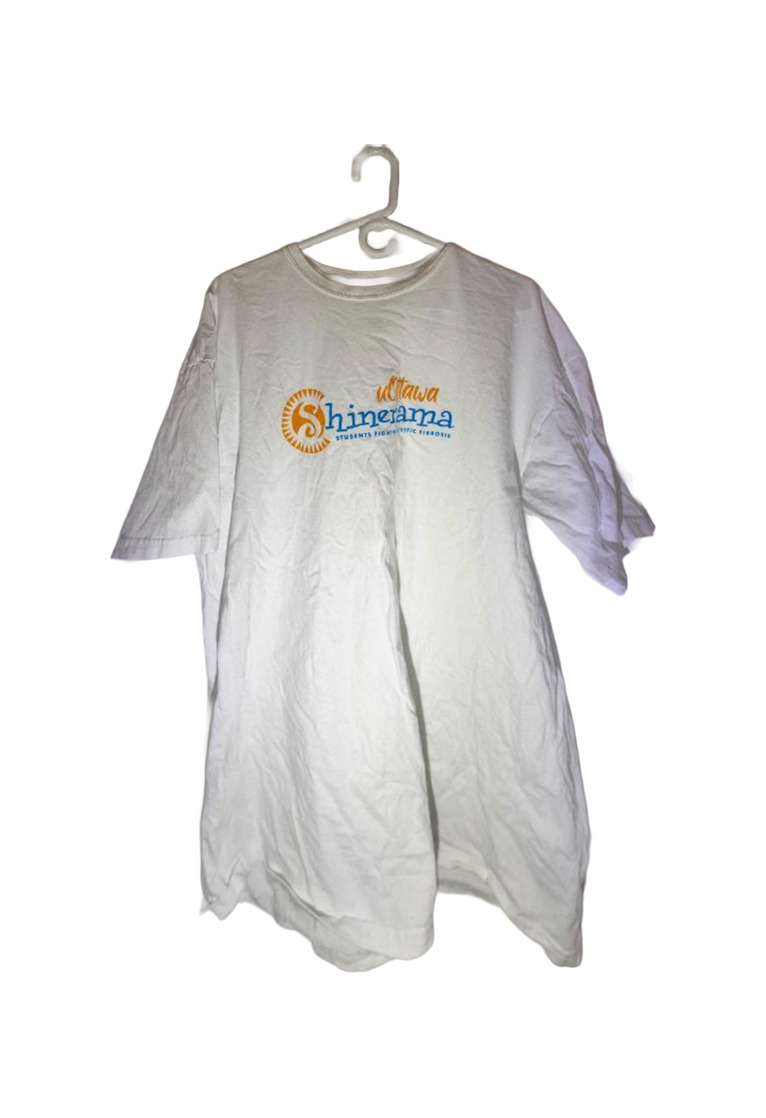
Shine Day T-Shirt
The Shine-Day activity originates from Cystic Fibrosis Canada’s fundraising initiative called Shinerama. This T-shirt is part of the mandatory dress code for student volunteers serving as marathon guides during the University of Ottawa’s 2025 101 Week, hosted by the University of Ottawa Students’ Union (UOSU). The purpose of this marathon is to raise funds for Cystic Fibrosis Canada. This T-shirt represents UOSU and uOttawa students’ commitment to supporting their community through charity. It also symbolizes students’ dedication to taking action and embracing social responsibility. The T-shirt is size XXL, white in colour, with the uOttawa text and the Shinerama logo printed on the front. -

Conversation with Diego Martinez
Diego Martinez is a 22-year-old engineering undergraduate student studying at the University of Ottawa. Diego immigrated from Mexico City, Mexico, to Calgary when he was four years old because his father found a job in the oil and gas industry. Diego believes that his family’s decision to immigrate to Canada was a good choice because it is safer than Mexico. After graduating from high school, Diego moved from Calgary to Chelsea, QC, to live with his uncle and cousin and pursue his studies at the University of Ottawa. Diego describes Chelsea as having a small Latin American community. However, he found a larger community presence at uOttawa. Throughout the interview, Diego discusses the key aspects of his culture, namely language, celebrations, art, and family ties. He talks about how all aspects of his culture have family elements. For example, he mentions that Christmas is an important celebration in Mexico that gets the whole family together. Additionally, he talks about how the arts are used to connect the family.
Diego and his family make sure to keep the culture and heritage alive by speaking Spanish daily. Diego also has a friend who is learning Spanish at the time of this interview, and he takes time to explain how fun it is to speak with him and how much he’s enjoyed getting the chance to use his language outside of his home. He also discusses how his family in Canada makes sure to travel to Mexico to visit their relatives. When asked about his favourite Mexican food, Diego highlighted tortilla soup as his first choice. He enjoys making a variety of traditional foods weekly. He described tortilla soup as a comforting staple food from his childhood, often prepared by his uncle while he was growing up in Mexico.
One thing that Diego thinks is very important is travelling to countries in Latin America. He wants people to be curious when they travel by trying new foods or visiting different landmarks. Essentially, he wants people to really explore the culture as much as possible. He also mentions that an exchange is a great opportunity because you can learn the language and experience everyday life there.
Although Mexico has an amazing culture and is a great place to visit, Diego stresses that there are still issues like cartel violence and corruption that people should be aware of. However, like travelling anywhere in the world, there is always some level of risk. -
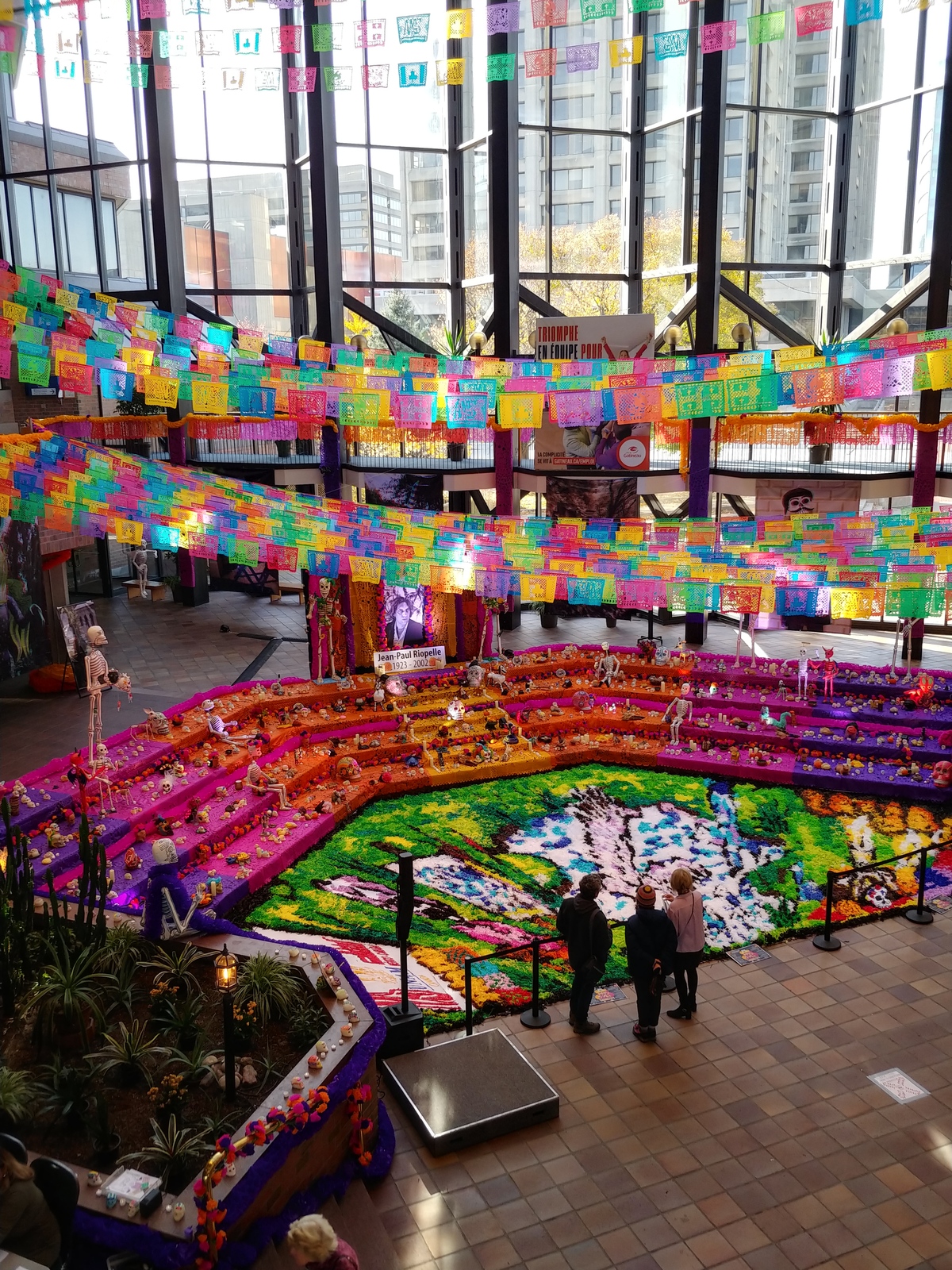
Day of the Dead altar commemorating Québec artist Jean Paul Riopelle at Maison du Citoyen
This image was taken by student Noémie Burrs while attending a Day of the Dead celebration at UNAM-Canada in Gatineau Quebec. The image features vibrant colours, patterns and textures surrounding an alter dedicated to late canadian artist, Jean Paul Riopelle. He is known internationally for pioneering "mosaic" style abstract paintings in the 1950s. -
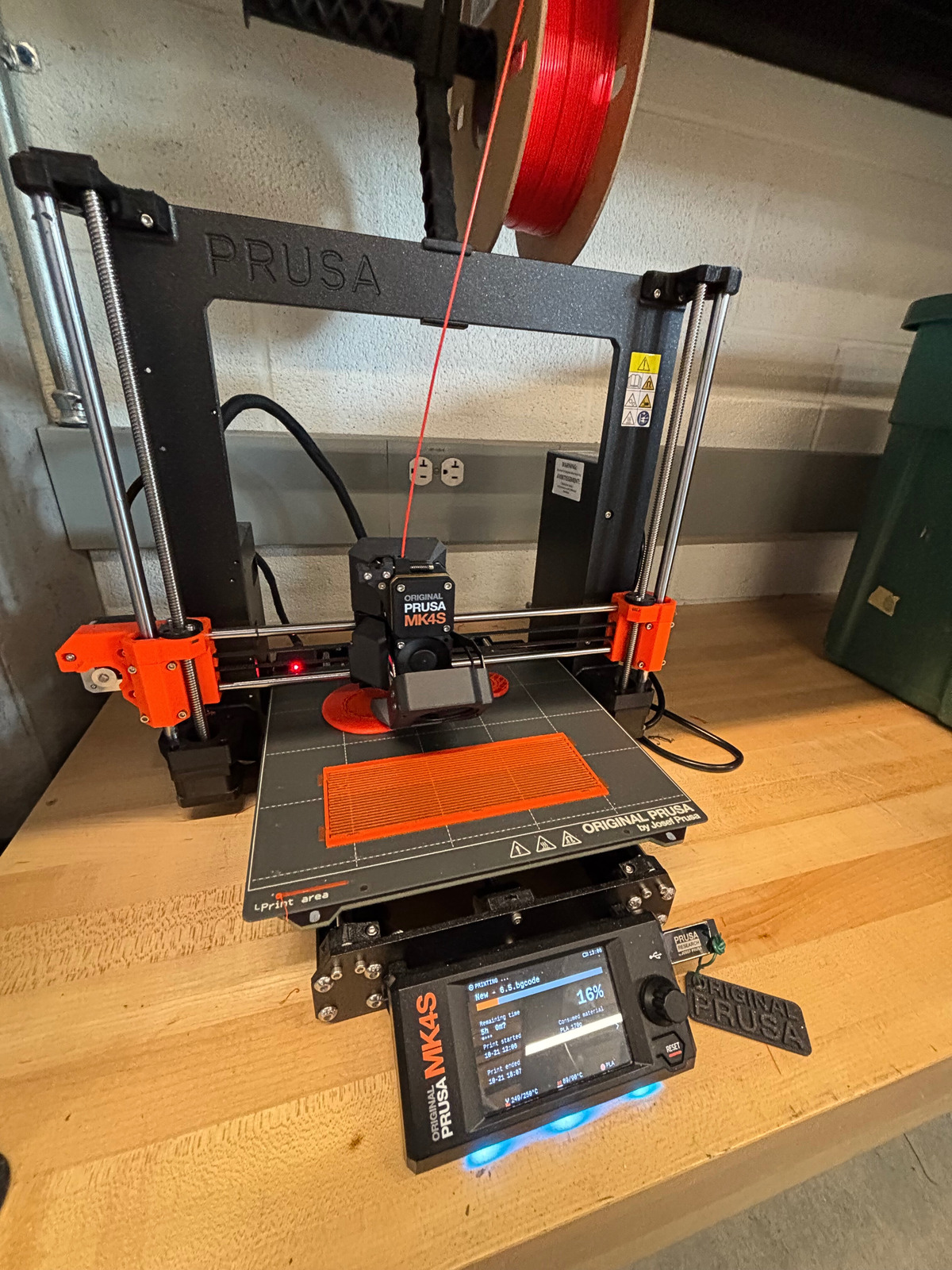
Original Prusa MK4S HF0.4 nozzle
3D printing machines can be found in the STEM building in MakerSpace since 2017. This space is a part of Centre of Entrepreneurship and Engineering Design (CEED) and is a crucial aspect of the engineering faculty . Back in 2017, the only printers available were the UltiMakers released in 2013. In Summer 2025, CEED acquired two Prusa MK4S in MakerSpace. This place is available to all students and staff members of uOttawa. It is useful to engineering students for many of their classes, but it is also used for personal projects by other faculties. In prior years, access to the printing machines was free. As of Fall 2025, costs of ten dollars are included in tuition fees of engineering programs. For other members of the community, a few options are offered; it is free on Sundays, they can buy a day pass for 5$ or pay 25$ for a semester with unlimited use. Since 2017, Richard L'Abbé Makerspace and its 3D printers have been part of the culture, but the Prusa MK4S are truly unique to the current culture now in 2025 and have changed how things work in general. -
Barbados (Ottawa) Association Inc.
The Barbados (Ottawa) Association (BOA) is a non-profit organization that was founded in 1966, making it the oldest Barbadian association in all of Canada! Their mission entails working closely with similar organizations to help their members find their place in Canada’s changing society, while having a space where they can maintain a close relationship with Barbados. This year, they will be celebrating their 60th anniversary.
It was founded on the same day that the nation of Barbados obtained its independence from the United Kingdom by six Barbadians who wanted to create a space for Barbadian immigrants. This space would help Barbadian immigrants adapt to life in Canada while also sharing their heritage with the Ottawa community. The current president of the BOA is Jacquie Belgrave-Dixon.
The BOA has since organized many cultural, educational, and recreational activities. They host yearly Independence Receptions and Galas in Ottawa, to celebrate the anniversaries of Barbados’ independence and of becoming a Parliamentary Republic. Additionally, they often encourage their members to volunteer in community events in Ottawa, as seen in events like the yearly Ottawa Race Weekend and Ottawa Black Film Festival. Volunteers represent Barbados and support fellow Caribbean and Black communities. They also regularly host recreational activities, such as bowling nights, trivia nights, and “Promoting Healthy Lifestyles” seminars throughout the year.
To see their upcoming events and get updates on the organization, you can reach the Barbados Ottawa Association by email or follow them on their social media pages linked above -
Jamaican Ottawa Community Association
The mission of the Jamaican Ottawa Community Association is to support and empower Jamaican Ottawa-Gatineau residents by creating a community in which all can participate and be involved. They provide services to their members, such as support for elders, resources/information for newcomers, and cultural and educational programs.
The Jamaican Ottawa Community Association was founded in the early 1960s by Carleton University students, and was later federally incorporated in the late 1970s. Also known as the J(O)CA, they are a non-profit organization that aims to support and engage residents in community issues and projects, while also being a pillar of the Jamaican community through its various activities, ranging from celebrations to awareness-raising. This association is currently under the presidency of Claudine Mitchell, who originates from St. Thomas, Jamaica.
The J(O)CA is known for hosting a “JAMDAY” yearly, to celebrate the independence of Jamaica, typically in the first or second week of August. There, you will find good food, music, and a community coming together to celebrate their roots and freedom.
You can sign up to be a member directly on their website, and follow events from their Facebook and Instagram pages.
-
Holas: The Humanitarian Organization of Latin American students
The Humanitarian Organization of American Students (Holas) is a non-profit organization based in Ottawa, specifically at Carleton University, which allows them to have a greater reach and collaborate with different organizations in Latin America and the Caribbean. Their mission is to provide humanitarian aid in Latin America through food, shelter, clothing, and education. They want to eradicate food insecurity in Latin America while also raising awareness of these issues. They aim to reduce poverty and inequality. The club was motivated and driven by a commitment to social responsibility, helping communities back home.
A non-profit founded in 2007 by students in Ottawa. They have helped with humanitarian development in Latin America and in the Caribbean. They have raised 50,000 in development projects. There are about 200 members in HOLA who are actively participating and volunteering.
On their website, there are many pictures of Latin American and Caribbean dance and celebrations featuring traditional costumes. They are partnered with an NGO that allows others to donate to them. They have fundraisers in which they teach free salsa classes with cultural dance groups and folklore. They also host Spanish and Portuguese lessons free of charge for students to learn, practice, and improve their skills. To maintain the group, they meet once a week to discuss upcoming events, allowing students to network.
-
Latin American Soldiers Committee in Canada
The Latin American Soldiers Committee (LASC) is a non-profit organization based in Ottawa. Their mission is to recover names and stories of Latin American soldiers who have served in the Canadian military. Founded in 2022, they have published remembrance books in honour of the veterans and their families.
Their goal is to inspire future generations by telling each other stories. To educate young people and inspire individuals entering the army. They hold ceremonies and events for Latin American Heritage Month, recognizing all the soldiers and those who have made an impact on Canadian history, for example, Major General Michel St-Louis. All while celebrating Latin American culture and heritage.
They advocate not only for the Latin American veterans but also for the communities in which many of those Latin American soldiers were not recognized or documented throughout Canadian history. Collecting the records allowed the group to show its historical and cultural impact by preserving its work.
-
Latin Hub Canada
Latin Hub Canada is a non-profit organization that operates in Ottawa. Their mission is to foster the growth of local artists by being the leading platform for international Hispanic and Latin artists, while providing a safe space for them to connect with Canadian audiences. Latin Hub Canada is a local club where Latin artists are able to perform and connect with a Canadian audience on stage, in a way that creates cultural exchange. They are located in Gatineau at 94, rue du Patrimoine.
They were founded by a Cuban-born pianist named Miguel de Armas, and, as of 2023, they are a non-profit organization based in Ottawa, Ontario. They organize activities and soirées showcasing Latin and Hispanic artists in Canada, while helping them gain visibility and opportunities.
They host multiple events such as the Ottawa Latin Jazz Conference, which explores the dynamics of jazz music and includes art exhibits, workshops, and discussions. The Latin Jazz Conference has diverse music and promotes unity.They also host the Fiesta Cubana Fest, which explores Cuban culture, dance, and literary work, with top salsa bands, authentic Cuban cuisine, and cocktails, offering a multitude of flavours. They have 4,307 attendees, 42 activities, 27 bands, and 184 artists.
-
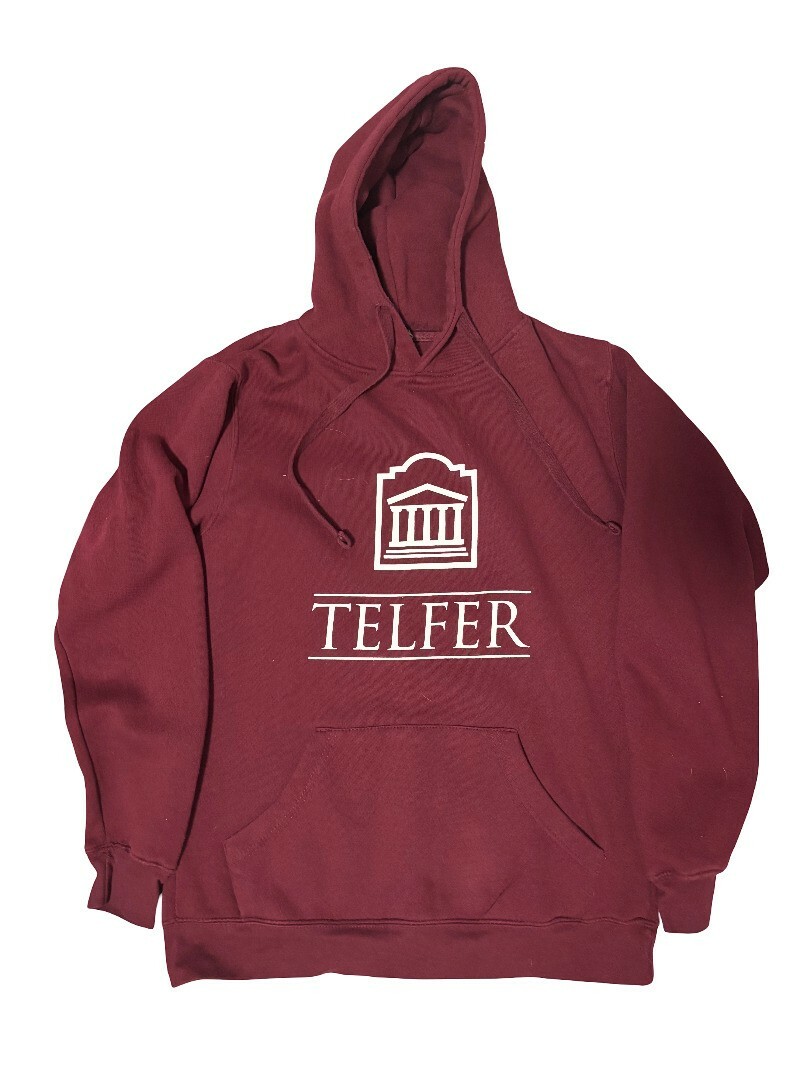
University of Ottawa Telfer Hoodie
This Russell Athletics garnet hoodie (M) was given to all first-year ADM1700
students of Telfer School of Management on 07/09/2024 (DMS 1101). It was made of
cotton-polyester with TELFER and the Telfer school logo in white lettering. Distributed as a
welcome gift to celebrate entry to the program and to be worn with pride, it was very quickly
adopted by students as everyday attire and seen commonly on campus during Fall 2024–2025.
The hoodie is a piece of typical university merchandise that was used in ways to foster a
community, commemorate a milestone, and become a part of everyday student life. -

Map of Sandy Hill’s Active Rental
Our group mapped apartments and rental properties in Sandy Hill. This topic is important for understanding food assets because it maps physical distance between people and food sources, as well as the financial status of people who live in rental properties and how much money they have to spend on food.
Sources for our findings include real estate agents (collect information on housing for the purpose of selling, investing, and advising others), and Statistics Canada.
The average household income in Sandy Hill before taxes is $87,400. The median household income before taxes is $62,400. (CMHC, 2020)
There is a large student population in Sandy Hill, which likely contributes to the lower average income in the neighbourhood as opposed to the Ottawa average. Students tend to live on the west side of the neighbourhood, closer to the University of Ottawa campus where household income is generally lower (John Castle, 2023). Additionally, Sandy Hill has a slightly higher than average rent for single-person households compared to the Ottawa average. Sandy Hill has also had rapid growth in population since 2017, with unemployment rates being higher than the national average (John Castle, 2023). Vacancy rates rose during the pandemic but have since recovered (CMHC, 2020). According to residents, housing is a major point of complaint, as rent prices have been high in recent years (areavibes.com via Statistics Canada).
According to a study done focusing on student living in Ottawa and Ontario "The average rent paid by students surveyed is $926.8, with 95% (n= 310) identifying rent prices as a primary challenge. Students in Ontario face a higher average rent ($935.4) compared to those in Quebec ($830.1). Financially, 25% (n= 106) of respondents rely solely on employment income. A student earning the minimum wage in Ottawa ($17.20/h) would need to work 54 hours per month just to cover the average rent cost, excluding tuition, food and transportation costs."STUDENT HOUSING CAUCUS REPORT
A large number of apartment buildings in Sandy Hill are on the north side of the neighbourhood, close to Rideau Street. It is difficult to tell if a property is owned or rented during a walkthrough of the neighbourhood. For example, often historic buildings are converted and/or renovated into multiple rentable units, but that it is impossible to tell just by looking at them.
The interactive Google Map, below, shows some of the rentals and single family homes we marked. This map is not complete as we did a pedestrian survey of the neighborhood. We will be updating this map at a later time. -

University of Ottawa Gee-Gees Lanyards
lanyards emblazoned with the Gee-Gees logo repeating across the polyester strap. They sport a plastic buckle on one end, with a metal clip on the other to allow for ID and other items to hang from the lanyard. Comes in black, red and burgundy styles. -

Apple iPads
Apple iPads are a staple in the lives of university students for its conveniency. They singlehandedly replace physical notebooks, textbooks, and heavy laptops, in addition to saving much needed space. Textbooks can be downloaded on these iPads from anywhere that has Wi-Fi services. Notes are typed faster, and the screen can split to show two tabs at once. iPads are easily accessorized to match a student's personality both physically and digitally. Apple provides students with incentive to purchase these iPads because of the special student discounts that are offered to students on their iPad lines. -

Laptop Stickers
A sticker is an image that is sealed between plastic or vinyl, and some sort of adhesive so it sticks (hence the name stickers). These stickers are then placed on laptops, notebooks, or water bottles, as a form of non-verbal communication between students. Usually, these objects are used to convey information to other people in their "groups," for example people who enjoy sports might use a sticker with their favourite team's logo to convey to other sports fans that they too like sports. These stickers can be bought online or homemade. Homemade stickers are usually made using parchment paper, tape, and whatever image one would want to make into a sticker, much like commercial stickers, yet way more personal to the user, as there is the connection of making it. Many people opt to leave their laptops blank. -
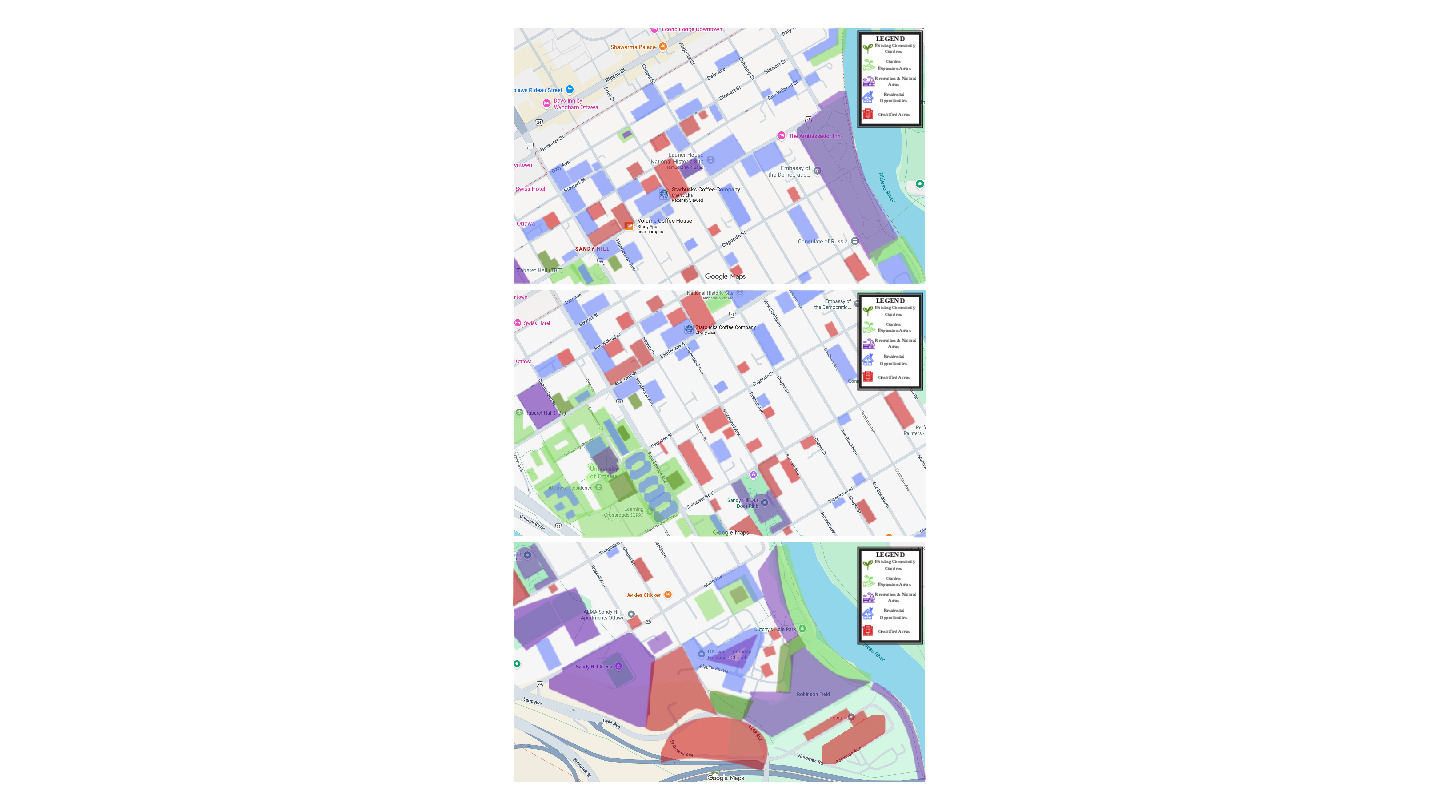
Potential Sites for New Sandy Hill Community Gardens
Introduction. Our group, consisting of Supreet Phangura and Jodie Choy mapped community gardens and landlord company-owned areas in Sandy Hill. The boundaries of our mapping were from Rideau Street to Mann Avenue, and then up to Range Road.
Community gardens are critical for our understanding of food assets in a few central ways. Firstly, community gardens can indicate socioeconomic status of an area through observation of infrastructure and how well-maintained it is. Secondly, the crops that a community garden produces can signify a gap in food assets as well as physical and monetary accessibility otherwise provided by food infrastructure in the area. Finally, the demographic of the community garden’s users can signify the level of food insecurity and need for mutual aid. In particular, an analysis on how socioeconomic factors shape what people think community gardens are for found that age, education, and annual household income had significant impact on how residents perceived benefits and purposes of community gardens. Annual household income was a strong indicator of whether a resident viewed gardening as a tool for physical health and increased produce intake, with higher-income individuals more likely to view community gardens as a way to increase physical activity. On the other hand, for lower-income individuals, community gardens were viewed as essential tools to obtain food while under financial pressure. Lower-income households were also found to be more likely to be recipients of produce, rather than active participants in the gardening process itself (Tackie et al., 2014).
Community gardens are an essential part of the story about how communities address food insecurity. Community gardens reveal the socioeconomics of food asset availability in Sandy Hill. In combination with this, the amount of landlord company-owned housing is also critical for the understanding of food assets because increases in landlord companies are heavily associated with gentrification. Gentrification tends to remove more affordable, smaller grocery stores by replacing them with high-end, chain grocery stores. It also has a tendency to bring about commercial development and a subsequent demographic shift. This leaves the neighbourhood at an overall lower affordability level, reflected prominently in the decrease of independent landlords at the expense of landlord companies.
A study performed a cross-sectional analysis on measures of gentrification and food access in Toronto found that 45% of all low-equity areas are unfavourable food environments (Menka et al., 2025). Moreover, all gentrification measures were significantly associated with food desert presence, meaning increases in gentrification were linked to lack of access to nutritious food (Menka et al., 2025).
Community Gardens and Landlord Companies in Sandy Hill: 2010 vs 2026 One of the main tensions that we found was how community garden usage seemed to indicate a lower socioeconomic status of the Sandy Hill area, despite obvious gentrification and decreased affordability of the area. Through analysing the individual factors of increase in community gardens and presence of landlord companies between 2010 and 2026, we seek to understand how socioeconomic status plays a part in telling the story of food asset availability in a community.
Community Gardens The Sandy Hill community garden scene in 2010 encompasses the Sandy Hill Community Garden, the Strathcona Park community garden, the Gathering Garden, the St. Joe’s Supper Table Community Garden, the Robinson Park community garden, and various community gardens run by programs on the uOttawa campus. In 2026, as pictured by the figure to the right, community gardens in Sandy Hill were limited to Sandy Hill Community Garden, Strathcona Heights Community Garden, St. Joe’s Supper Table Community Garden, Robinson Park community garden, and the same community gardens on the uOttawa campus.
Between 2010 and 2026, Gathering Garden was adjointed to Strathcona Community Garden. Notable differences include Strathcona Heights Community Garden, which was built in 2024 and seems to have replaced Strathcona Park community garden, but also features the expansion of new beds near 721 Chapel Crescent. In 2010, Strathcona Park community garden had 41 plots along 430 Wiggins Private, while in 2026, Strathcona Heights Community Garden has expanded to 3 locations: two benches at 300-310 Wiggins Private, one bench at Lori Heath Park, and two benches near 721 Chapel Crescent (McCallum, 2024). Both St. Joe’s Supper Table Community Garden and Robinson Park community garden were still running and recently active, and there seems to be a new community garden on the uOttawa campus in the form of Place des Francos-Ontariens Garden along Laurier Avenue.
Sandy Hill Community News interviewed a variety of Sandy Hill community gardens in 2020. By examining purported usage and reason for constructing a community garden, we can see that individuals tended to see them as a means to obtain food under financial pressure, consistent with findings that indicate use by those of lower socioeconomic status. Sandy Hill Community Garden originally opened around 2008 with an associated food bank which eventually disappeared, but was revived during COVID-19, indicating a very strong correlation to use for easing financial pressure.
Hildegarde Henderson from Strathcona Heights Community Garden noted that “when markets were reduced or closed, the community garden’s produce was very welcome in the neighbourhood” (Whitelaw, 2020). St. Joe’s Supper Table Community Garden is primarily used for providing food to Sandy Hill residents through its two food banks, community kitchen, sandwich service, and dinner service. St. Joe’s Supper Table Community Garden is also a prime example of how lower-income households were found to be more likely to be recipients of produce, rather than active participants in the gardening process itself (Tackie et al., 2014), since many recipients of this food are not participants in the garden.
Andrew Hall and Sue McKee mention that the University of Ottawa King Edward Community Garden had, in past years, had a garden for refugees, another for an organisation protecting battered women, and some space for two homeless people to use (Whitelaw, 2020), on top of general usage by students. The demographics of usage of Sandy Hill community gardens very clearly indicates a presence of low socioeconomic status individuals in the area, and the increase in community garden space between 2010 and 2026 indicates that this presence is only growing. In short, community gardens are an essential part of the story about food assets in Sandy Hill because they tell us where food insecurity lies, whether or not it is increasing, and what the community is doing to address it.
Landlord Companies. In 2010, the Sandy Hill housing market was mostly dominated by individual and family landlords, some local property owners, and owners of converted heritage homes. In short, it was largely characterised by decentralised ownership. In 2026, however, there has been a widespread consolidation into large landlord companies. On our walk, we found that properties were mainly owned by Sleepwell Property Management, Smart Living Properties, Paradigm Commercial, FRC Real Estate, CLV Group, and Osgoode Properties. Additionally, 2010 mainly had individual property owners, while 2026 has an increase in multi-property investors even aside from landlord companies.
There was also a large increase in the average price of a house, as noted by Agent in Ottawa Realtors, where the average house in 2010 was priced at $435, 406, and the average house in 2025 was priced at $559, 109. The kind of build dominating Sandy Hill has also seen various changes throughout the years. A study performed in 2010 regarding Sandy Hill being a cultural heritage landscape noted that in the early 1900s, Sandy Hill was largely dominated by single family residences mostly housing Ottawa’s manufacturing and mercantile elites, with some construction of middle housing in vacant lots.
Between 1922 - 1956, there was a trend of expansion of existing housing stock through new construction; the subdivision of existing single-family homes into multi-family homes, which mirrors multi-unit trends we see today; and the construction of apartment buildings. Overall, the housing market was beginning to shift to accommodate middle-income families rather than elites. In 2010, the study notes that because the Sandy Hill area was largely established by the mid-20th century, the existing housing stock had remained relatively unchanged since then. Many smaller, multi-family homes were owned or lived in by the student population in Ottawa.
In 2026, the housing in Sandy Hill consisted mostly of restored Edwardian homes, historic triplexes, student rentals, and modern mid-rise condos. There is now high demand for triplexes, updated heritage properties, and turnkey condos. Interestingly, across 2010 and 2026, there is a consistent prevalence of multi-unit houses being rented out to students. This story of accommodating elites, to middle-income homes, to a wide variety of modernised housing, follows a similar trail of food asset availability in the Sandy Hill area. As mentioned before, the affordability of the neighbourhood is not what mainly creates food deserts in Sandy Hill. Rather, it is the change in infrastructure itself. This makes sense, given that the most notable difference between housing in 2010 and 2026 is that middle-income housing was more prevalent and that heritage properties were beginning to see massive updates.
It’s likely that the shift towards converting Sandy Hill housing to be more modern and accommodate more people was part of a gentrification effort that ultimately changed food asset availability. These findings are particularly pertinent in relation to our findings about community gardens, which also highly point towards effects of individual socioeconomic status on food availability. Important to note is that, in 2009, the Ottawa Development Report showed that rental vacancy rates in Sandy Hill sat at 1.4% before shooting up to 2.4% in 2010, where the city average at the time across Canada was 1.6%. This means in 2010, there were more units for rent than needed. In 2025, rental vacancy rates sat at 3.3% as reported by Ottawa Lookout, meaning there was an increase in oversupply. However, realtor.ca found that approximately 80% of Sandy Hill consisted of renters. This is likely explained by the large demographic of students dominating Sandy Hill, which causes frequent turnover, but also creates a need for oversupply because of the fluctuating amount of students per year who may need housing. Rental vacancy is positively associated with gentrification due to trends where vacancy makes future redevelopment via gentrification. This points to a narrative about Sandy Hill food assets where there is overall disinvestment in infrastructure supporting residents, replaced with investments in infrastructure supporting the priorities of companies and larger landlords who invest in the area. Such a narrative is consistent with the dramatic increase in the noted use of community gardens in ways that indicate lower socioeconomic status and increased food insecurity, despite the fact that Sandy Hill as a neighbourhood is decreasing in affordability and increasing gentrification.
Recommendations. Community gardens mainly face issues regarding waitlists, plot distribution and equitable access, plot abandonment, stealing, community integration, visibility and awareness, and lack of resources. To address waitlist problems, we recommend implementing a “use it or lose it” policy wherein inactivity for a certain period of time triggers reassignment. For plot distribution and equitable access, we recommend partnering with local groups like tenant associations and newcomer services to ensure inclusive access to plots. Putting requirements for a basic participation, like minimum maintenance expectations, could help mitigate plot abandonment issues, and stealing could be addressed through fencing, construction of natural barriers to wall off gardens, and signage. Community integration could be aided by having crops that are used in multicultural recipes, so all demographics in the Sandy Hill community could have crops they can make use of. Additionally, Sandy Hill could organise community days that offer food made from gardens to the Sandy Hill community to bring in new volunteers and foster relationship-building with and between community members. Visibility and awareness, which is a main issue we encountered on our initial walk, can be addressed using awareness campaigns such as posters in public spaces.
Community gardens could also contact related organisations to send out email newsletters, and put up signage with QR codes to give more information on the community garden and indicate how to join. Lack of resources such as volunteers tending to the garden and storage space can be helped by integrating gardening into CSL placements at the University of Ottawa. This has already been implemented with some of the community gardens on the campus, such as the King Edward community garden, but can be extended to non-campus community gardens as well. Finally, our general recommendations include implementing rules and regulations around food distribution, such as who has access to gardens, and who can harvest. -
Conversation with Monica Fosado
This interview features Monicaa Fosado, a vibrant member of Ottawa’s cultural landscape, sharing her personal passions, cultural identity, and community engagement rooted in her Mexican heritage. She pursued her academic journey in Canada at Carleton University, where she completed a master’s degree in journalism.
In her free time, she is highly active and engaged in personal hobbies that bring her joy and connection. She teaches salsa dancing at least once a week, and plays soccer regularly. She emphasized both physical activity and social connection as important parts of her routine. Food also plays a central role in how she maintains her connection to her Mexican heritage, regularly preparing traditional dishes such as tacos and quesadillas not only as meals but also as meaningful cultural practices. She also celebrates culturally significant traditions, such as the Day of the Dead, honouring the celebration's importance in Mexican culture. However, what stands out most is how she chooses to engage with her culture on her own terms. She maintains her cultural identity through food, language, and personal traditions, while also contributing to the community in her own way. She teaches Spanish one-on-one, helping others learn the language while sharing aspects of her culture in an informal setting. Her story offers an important insight into the diversity of immigrant experiences. While some individuals seek out strong cultural communities abroad, she demonstrates that cultural identity can also be maintained in more private, self-defined ways.
Her life in Ottawa is a blend of independence, cultural pride, and active engagement, showing that belonging does not always require a formal community hub, but can instead be created through everyday practices and personal choices. -

Panda Games Tickets
The Panda Games are an annual event in which the University of Ottawa plays a high-stakes game of American Football against Carleton University. There has been a long standing rivalry between the two universities, resulting in these tickets becoming a hot commodity. Typically, sides are chosen for each team’s university to sit at, and these sides are displayed as the tickets are purchased. It was also common for the audience of the winning university to bypass their safety restraints and go onto the playing field, known as “storming the field.” -
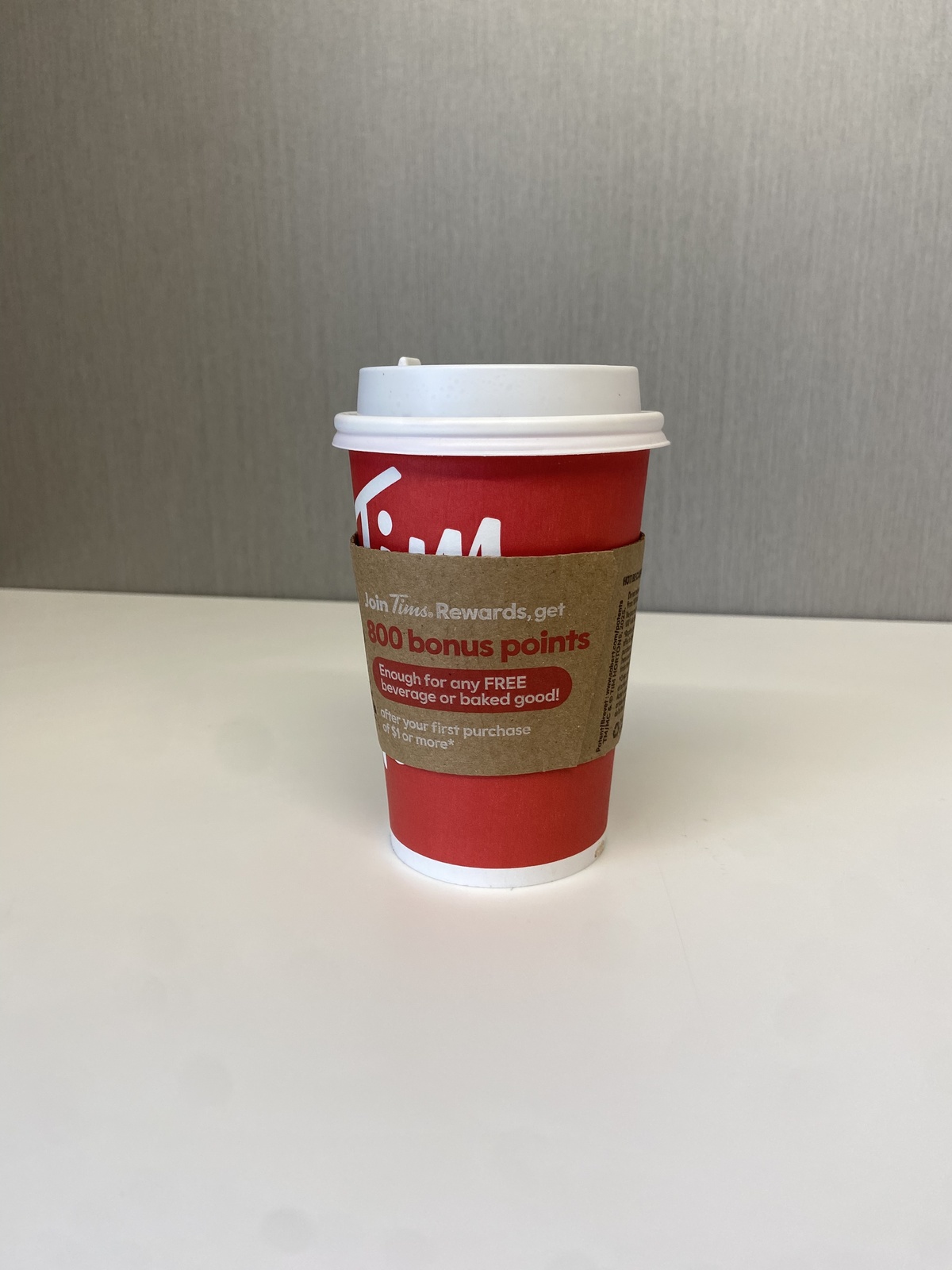
Tim Hortons Coffee Cup
Coffee is a hot, dark and bitter drink that contains coffee beans and caffeine. This beverage powered by caffeine fuels countless students through long lectures, study sessions, and general daily routines. This drink has become a powerful staple of campus culture. It is used by thousands of uOttawa students as a tool to combat fatigue, enhance focus, and improve mood to help students navigate academic life and complete tasks such as studying, homework, and assignments. Coffee is particularly valued during periods of high stress, such as exam seasons. Coffee is also consumed by students out of academic contexts because of the appealing taste.
Coffee can be purchased at several locations on the uOttawa campus, and many more locations in the surrounding area. On campus, some popular locations include Tim Hortons (145 Jean-Jacques-Lussier Pvt), Second Cup Coffee (65 University Pvt), and Starbucks (55 Laurier Ave E). Because of the high demand for coffee by the student body, these locations are open every day of the business week, and even regularly employ students.
-
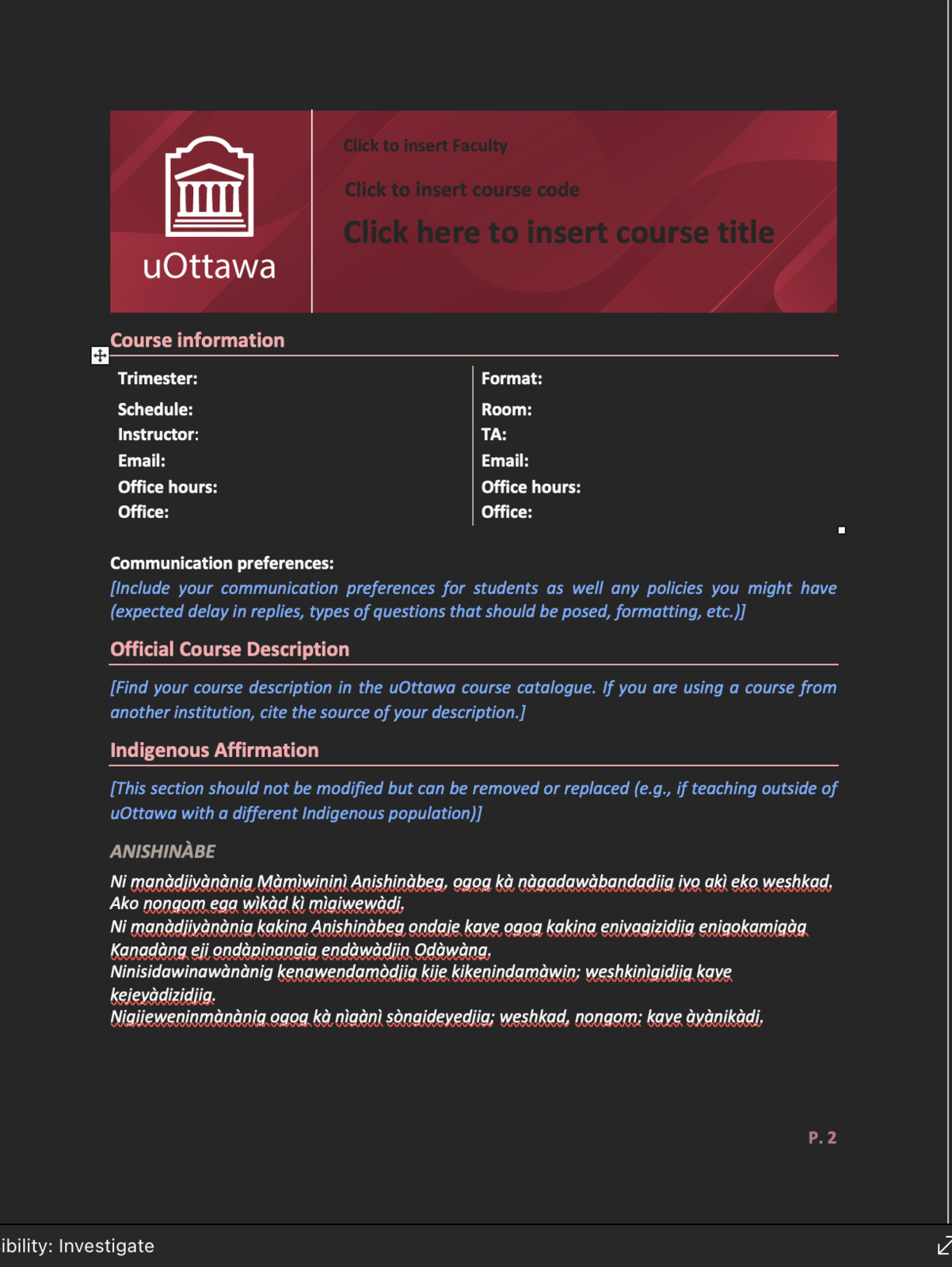
University of Ottawa Syllabus
A syllabus is a long, detailed document written by the professor that outlines the key information of a university course. It contains a course schedule, themes of lecture material, rules for class conduct, and technical information for the class. All professors are required to follow a certain format for their syllabi. The title page must have the University’s logo, the professor’s name, the class title and code, the location, day and time the class will take place, and also the professor’s office hours. If there is a teacher's assistant for the course, their office hours, name and email should also be included. For the rest of the syllabus, it should contain a description of the course, the objectives of the course, any required texts, the weight that each assignment and evaluation will have on the students’ final grade and a schedule for the semester. -

101er Frosh T-Shirt - AÉDSA
A short-sleeved cotton T-shirt produced for the 2024 101 Week (frosh week) Kits at the University of Ottawa’s Faculty of Social Sciences. Purchased in order to attend all the 101 week events created to facilitate community and visibility among new students. -

University of Ottawa Student ID Card.
This laminated plastic card is used as a form of identification for all uOttawa students in addition to uOttawa services like to open automated entry points, a source of payment, and a proof of ID for activities or spaces with specific access requirements, whether it’s in person or digitally. Recently, the university discontinued physical U-Pass cards, and it was absorbed by the UO Student Card, granting university students access to OC Transpo and STO public transportation through their student ID. Exams require student cards as photo ID to verify a student’s identity, as well as your student number which is on the card. As a key card, it grants access to the UO Dining Hall, residences, labs, classrooms, sports facilities, gyms, and libraries. The card can even be used as a debit card for Dining Hall expenses, for eateries on campus, or to spend uOttawa’s Flex Dollars. In 2025, new students can send in their photos for their card rather than having their picture taken in person. This represents how in 2025 education has evolved to be more hybrid, integrated with technology. -
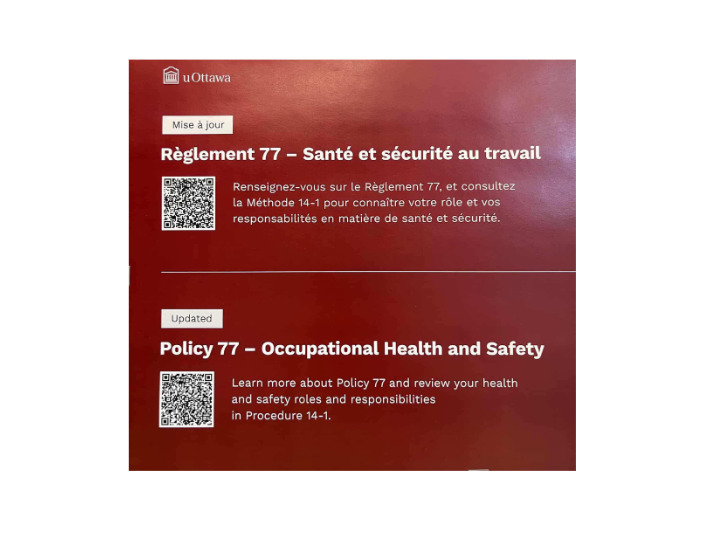
University of Ottawa bilingual business card / QR code.
QR codes are frequently found on the University of Ottawa campus in 2025, often used on; business cards, posters, tickets, and menus. Each code being particular and specifically curated for the organisation who created it, made up of small black and white squares arranged in a grid. QR codes are important because they allow for versatility with marketing as they hold much more data and can help reduce the use of paper. By scanning the code with a cellphone camera, the QR quickly brings the students to informational sites and links. On this poster there are two QR codes, one leading to the French website and one to the English website. This represents how this technology is crucial and a staple for the University of Ottawa students in 2025 as it caters to the bilingualism that is a core value of the university, as well as being an efficient way of accessing information on campus through cellphones. -
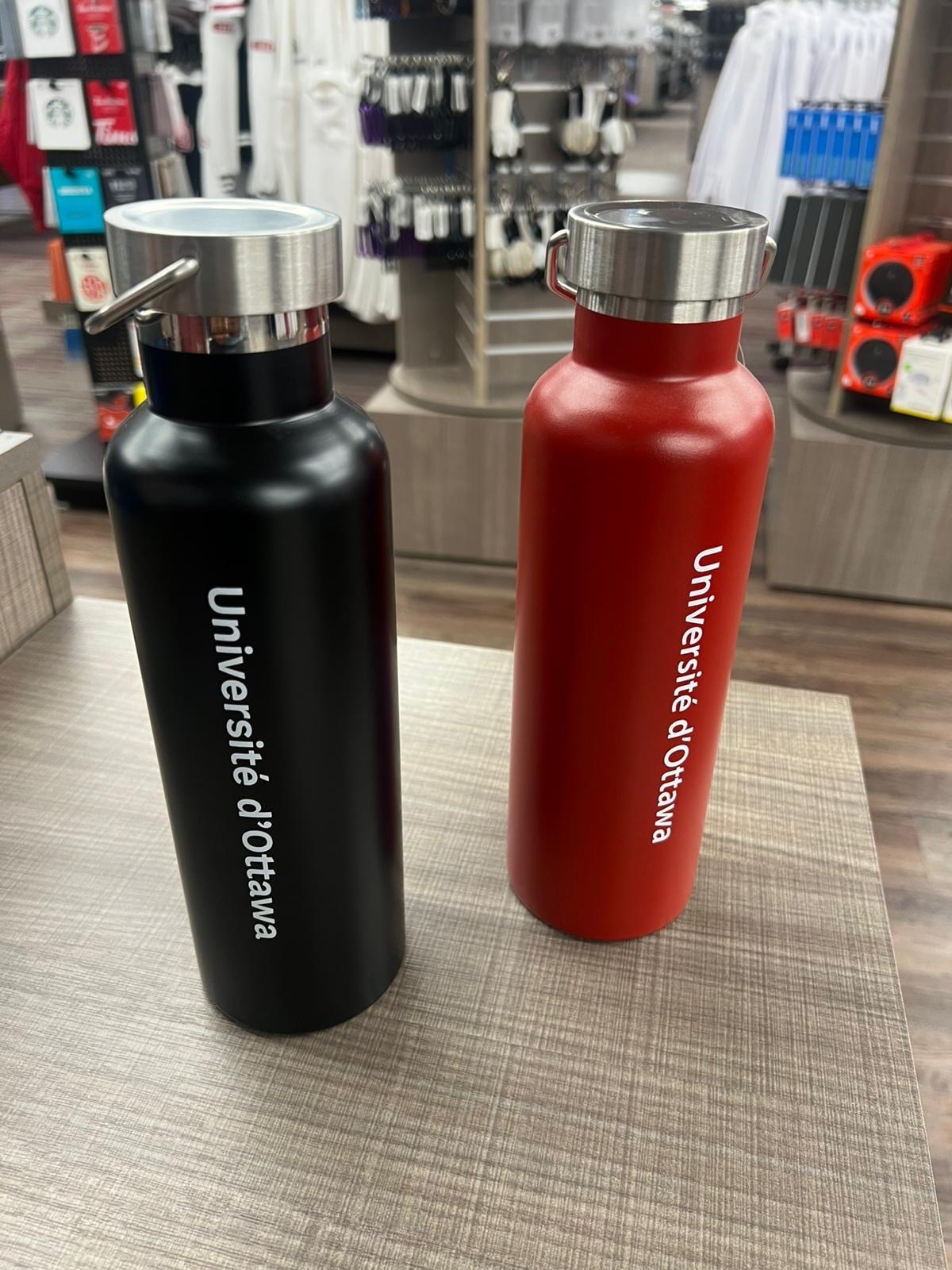
Uottawa Waterbottles
Water bottles are convenient, and a portable method of bringing water or any other beverages of a student’s choice with them wherever they go. Not only do they allow the student to stay hydrated, but they are also environmentally sustainable since they are refillable at university water fountains or at any beverage store around campus thus reducing plastic waste. They easily fit into backpack side pockets and are comfortable to hold in your hand as you walk around campus. When Students choose to purchase their stainless-steel water bottles from the University of Ottawa’s bookstore, they have the added benefit of carrying the uOttawa logo with them everywhere they go! -
Conversation with Anonymous
Anonymous is from Uruguay and immigrated to Canada. They Came to Toronto 25 years ago to start their graduate studies and 10 years later moved to Ottawa to be a professor. Anonymous speaks Portuguese, English, and French but mainly uses Portuguese when talking to their family. They have a larger community in Toronto since most of their family and Uruguayan community are integrated there. Anonymous often travels between cities for celebrations, Uruguayan food items, and gatherings with their community. Eating food at family gatherings is important to their culture. Uruguayan culture consists of a meat heavy diet that grills large amounts of beef. Toronto is the only place where they can find Uruguayan style beef. Anonymous is not integrated into Ottawa’s Latin community. -
Conversation with Anonymous
Our Dominican-born interviewee moved to Ottawa, Canada, for higher education and family connections. Their sister's presence in Ottawa influenced their relocation, and over time, other family members likewise settled there, forming a strong support system. Despite living in separate homes, their family remains close-knit, frequently gathering for meals and celebrations. Cultural preservation is central to the interviewee's identity, with language playing a key role. Spanish is actively spoken at home, ensuring younger generations maintain fluency. Celebrations such as Christmas, birthdays, and Father's Day reinforce their heritage. Dominican holiday traditions, including festive gatherings, music, and food, are preserved within their family. Culinary traditions further connect the interviewee to their Dominican roots. They highlight "sancocho," a hearty stew, and "la bandera," a meal of rice, beans, and protein, as cultural staples. Access to Latin American ingredients in Ottawa supports their ability to cook traditional dishes. Overall, the interviewee underscores the challenges of cultural preservation while adapting to a new society. Their experiences provide insight into the immigrant experience in Ottawa, reflecting the importance of family, language, and tradition in maintaining cultural identity.