
Browse Items (96 total)
-

Conversation with Arturo Ortega
Arturo is twenty-eight years old and born in Mexico City. He lived in Ixtapaluca, Mexico, before moving to Ottawa in August 2024. Arturo is taking his master's in bilingualism studies at the OLBI department. Arturo enjoys cooking Mexican food and attending Latin American events throughout the city to celebrate his heritage and feel closer to home. While he didn't move with any family, he is engaged to a Brazilian woman and enjoys spending time with her and her family. -
Conversation with Anonymous
Our Dominican-born interviewee moved to Ottawa, Canada, for higher education and family connections. Their sister's presence in Ottawa influenced their relocation, and over time, other family members likewise settled there, forming a strong support system. Despite living in separate homes, their family remains close-knit, frequently gathering for meals and celebrations. Cultural preservation is central to the interviewee's identity, with language playing a key role. Spanish is actively spoken at home, ensuring younger generations maintain fluency. Celebrations such as Christmas, birthdays, and Father's Day reinforce their heritage. Dominican holiday traditions, including festive gatherings, music, and food, are preserved within their family. Culinary traditions further connect the interviewee to their Dominican roots. They highlight "sancocho," a hearty stew, and "la bandera," a meal of rice, beans, and protein, as cultural staples. Access to Latin American ingredients in Ottawa supports their ability to cook traditional dishes. Overall, the interviewee underscores the challenges of cultural preservation while adapting to a new society. Their experiences provide insight into the immigrant experience in Ottawa, reflecting the importance of family, language, and tradition in maintaining cultural identity. -
Conversation with Anonymous
Anonymous is from Uruguay and immigrated to Canada. They Came to Toronto 25 years ago to start their graduate studies and 10 years later moved to Ottawa to be a professor. Anonymous speaks Portuguese, English, and French but mainly uses Portuguese when talking to their family. They have a larger community in Toronto since most of their family and Uruguayan community are integrated there. Anonymous often travels between cities for celebrations, Uruguayan food items, and gatherings with their community. Eating food at family gatherings is important to their culture. Uruguayan culture consists of a meat heavy diet that grills large amounts of beef. Toronto is the only place where they can find Uruguayan style beef. Anonymous is not integrated into Ottawa’s Latin community. -
Conversation with Ángel
Ángel Albarrán-Ponce is a 33-year-old PhD student at the University of Ottawa who originally comes from Mexico City, Mexico. His experiences as an international student and member of Ottawa’s Latin American community highlight how immigrants maintain cultural connections while adapting to life in a new country.
Ángel moved to Canada primarily for academic reasons and is currently pursuing doctoral studies, balancing a demanding research schedule with efforts to stay socially and culturally engaged. Ángel describes his daily routine as “really busy with work,” reflecting the intensity of graduate studies. Despite this, he prioritizes social connection during his free time. He enjoys attending salsa events in Ottawa, spending time with friends, and sharing meals, activities that allow him to maintain a sense of community while living abroad. These moments of connection are especially important for international students who may be far from family and familiar cultural environments. Maintaining cultural traditions is central to Ángel’s identity. He expressed pride in being Mexican and highlighted important celebrations such as Mexican Independence Day on September 15 and Día de los Muertos. For Ángel, participating in or remembering these traditions helps him stay connected to his cultural roots while living in Canada.
During the interview, he described the Mexican community as “welcoming,” “united,” and “chill,” emphasizing a shared sense of openness and hospitality. These qualities help foster connections among individuals who may come from different countries but share similar cultural values and experiences as immigrants. At the same time, Ángel reflected on broader social issues affecting his home country. He discussed what he called “modern colonization,” explaining that increased tourism and development in certain regions of Mexico have transformed local communities. From his perspective, these changes can leave residents feeling disconnected from their homeland as traditional ways of life are altered to accommodate outside influences. This insight highlights the complex relationship between globalization, tourism, and cultural preservation. Overall, Ángel’s experiences demonstrate how immigrants balance academic responsibilities, cultural identity, and community connections while living abroad. His reflections offer valuable insight into how members of Ottawa’s Mexican community maintain traditions, celebrate their heritage, and navigate the challenges of building a life far from home. -
Conversation with Ana Paneque Leivas
Born in Cuba, Ana has experienced a life shaped by movement, adaptation, and a deep connection to her roots. At age ten, she relocated to Sherbrooke, Quebec, before living in Calgary and Florida. Eventually, Ana immigrated to Canada for family reasons and ended up settling in Ottawa to pursue her studies. Despite being immersed in Western culture and having lived in multiple cities and countries, she remains strongly connected to her Cuban identity. -
Conversation with Alicia Lopez de Ferro
Originally from Argentina, Alicia has lived in Canada with her family since 2011 and in Ottawa since 2016. When she first moved to Canada, she was welcomed by the Argentinian Manitoban Association in Winnipeg, which helped ease her transition to Canadian life. Over her time in Ottawa, Alicia has brought together nearly two hundred Argentinians. She has found joy in connecting with them, whether through watching soccer matches, celebrating Mother’s Day, or coming together for other meaningful events. Her passion for community has helped others feel a sense of community and belonging far from home. Aside from her involvement in her community, she has also enjoyed integrating herself into Canadian culture, from learning how to skate to camping to going to Cabane à Sucre. Today, we sat down to ask a few questions about her experience moving to Ottawa and explore more about her Argentinian culture. -
Conversation with Alice Cordeiro Silva Veras
Alice Cordeiro Silva Veras is from Brazil and currently lives in Ottawa. She moved to Canada at the age of 9 with her mother and younger sister. Having been here for over 10 years, she is now a permanent resident. Alice enjoys celebrating her culture and is passionate about sharing its diversity beyond well-known events like Carnival. She also values community voices and recommends that more members contribute to online platforms to celebrate and reflect the richness of Latin American and Caribbean cultures in Ottawa. Her insights reveal a desire for deeper cultural representation and recognition in public community projects. -

Bluetooth Headphones
Apple earphones and headphones are one of the most popular electronic gadgets among students and professors for their ability to block out noise effectively and create a comfortable environment when working or studying in public spaces on campus. They allow for a customizable experience dedicated to every individual’s need. Some individuals may use them to block out noise or eliminate unwanted distractions while studying or working, and other individuals may play music in the background to help focus on the task at hand. They're also a great option for students who cannot book private study rooms but need to listen to video lectures on campus.
This photo was taken at the Apple store directly across campus to show just how easy and simple it is to get access to these electronic gadgets. -

Apple iPads
Apple iPads are a staple in the lives of university students for its conveniency. They singlehandedly replace physical notebooks, textbooks, and heavy laptops, in addition to saving much needed space. Textbooks can be downloaded on these iPads from anywhere that has Wi-Fi services. Notes are typed faster, and the screen can split to show two tabs at once. iPads are easily accessorized to match a student's personality both physically and digitally. Apple provides students with incentive to purchase these iPads because of the special student discounts that are offered to students on their iPad lines. -

Apple Computer
The computer is the single most important item during a student’s time at the University of Ottawa. It is the medium in which students can access Brightspace, a website where students can submit and receive assignments as well as engage in class discussions, send and receive emails through Outlook, create their class schedule, apply for bursaries, receive tax forms through their student portal (UOzone), research (Omni), and take notes (Word). The computer is also very useful for a student outside of school use; it is a necessary product for all students.
While the specific MacBook Air 15” may not be the most common model, the Apple brand itself clearly dominates among students. Each person tends to choose the version that fits their preferences, but the Apple logo is what ties them all together.
The MacBook stands out with its fast performance, built-in features such as AirDrop, iMessage, and FaceTime. This is what makes it easy for students to connect and share work. While owning a MacBook can feel like a status symbol, it also represents belonging to the image of the modern, connected student. -
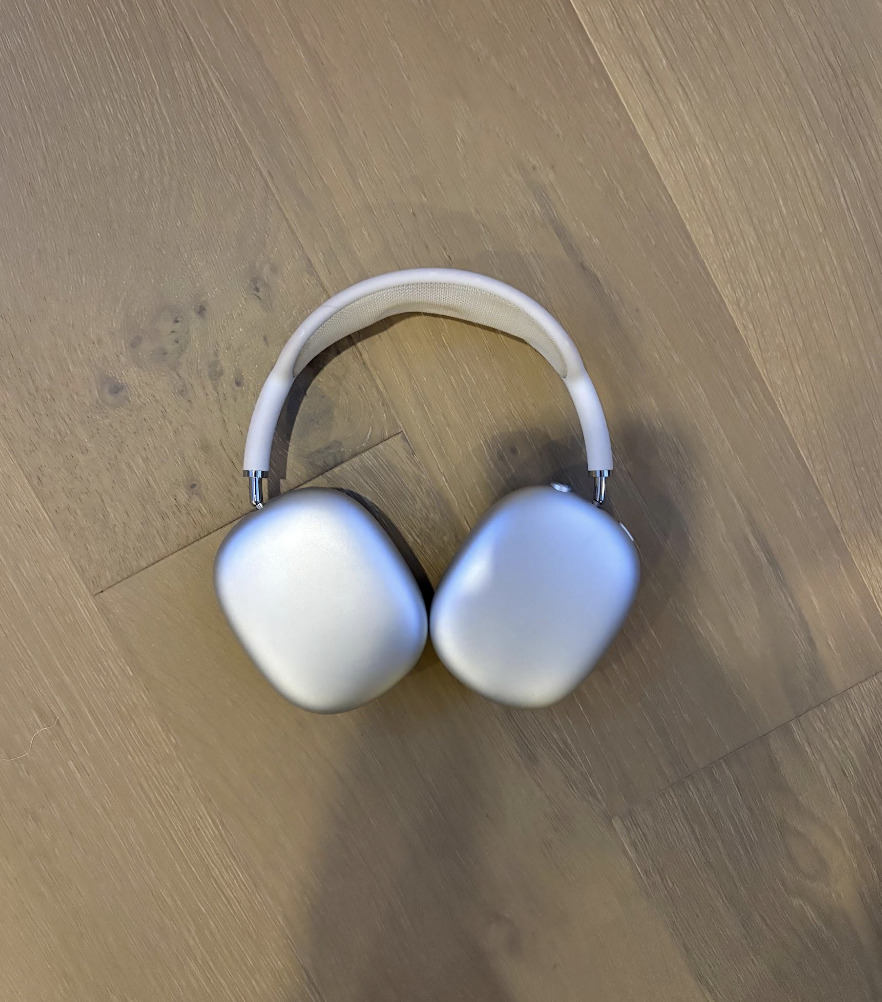
Apple AirPods Max
Apple AirPods Max headphones represents a widely adopted personal audio technology among university students. Known for their premium materials, active noise cancellation, and integration with the Apple device ecosystem, AirPods Max became a recognizable element of campus life -
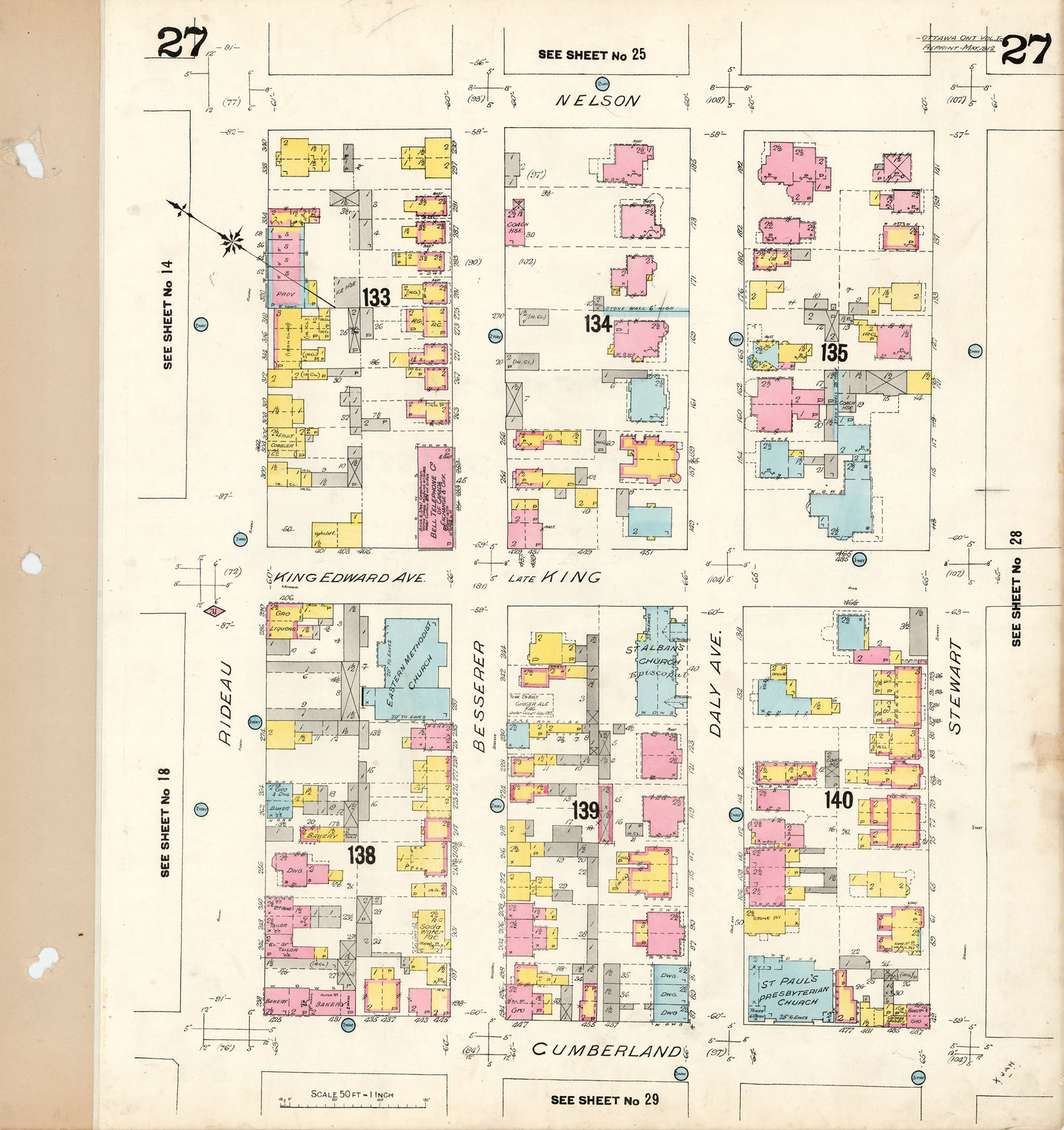
1912 Historical Fire Insurance Maps of Sandy Hill
These images document Sandy Hill. By comparing these to the previous map collections, you can see how the neighborhood has changed. By clicking on an image and enlarging it, you can see where there were grocers , bakers, Chinese laundry, churches and schools. -
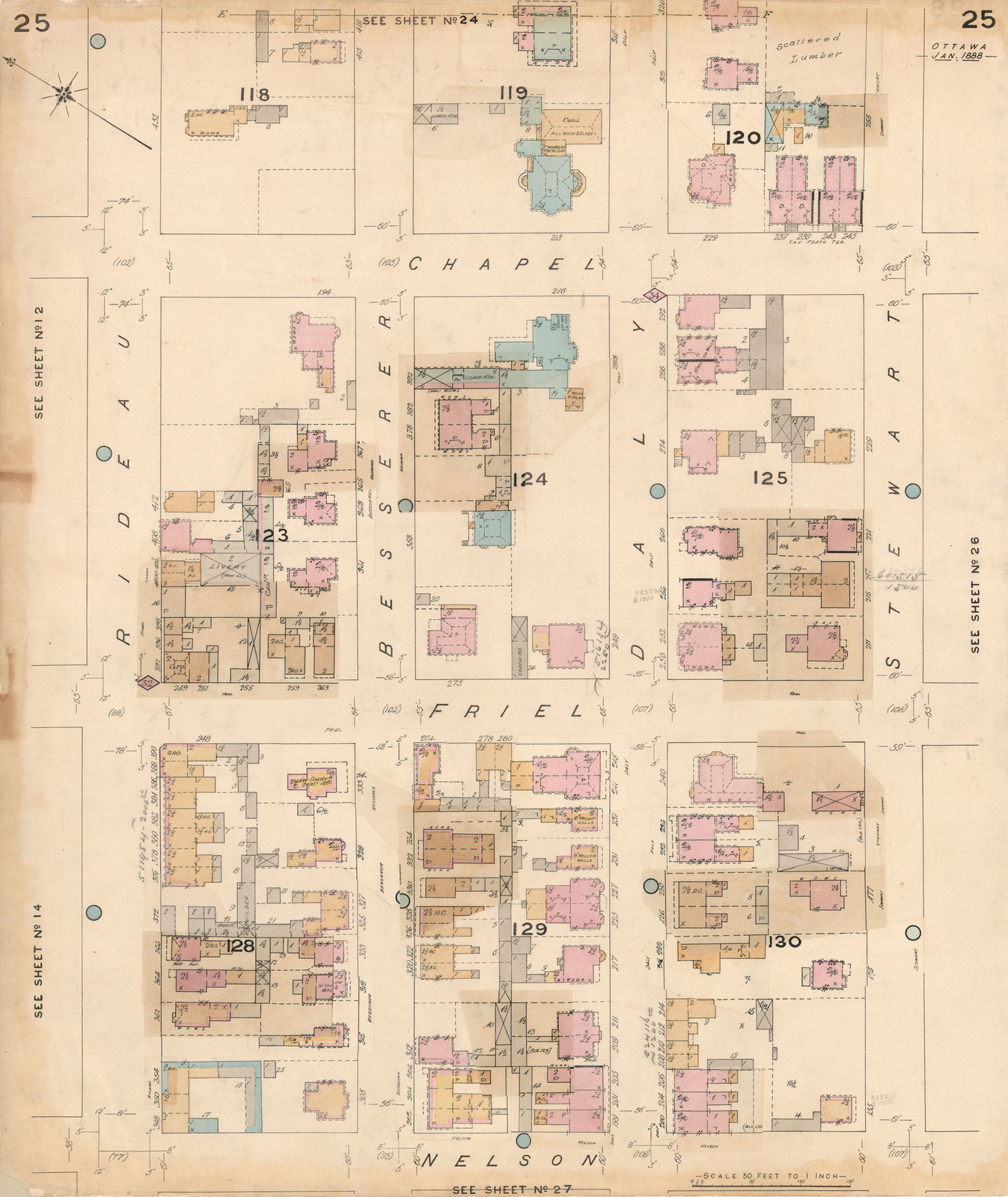
1901 Historical Fire Insurance Map Of Sandy Hill
These images document Sandy Hill. It serves as a baseline to see how the neighborhood has changed. By clicking on an image and enlarging it, you can see where there were grocers (GRO), as well as other businesses from livery stables, coal sheds, freight yards to hotels. -
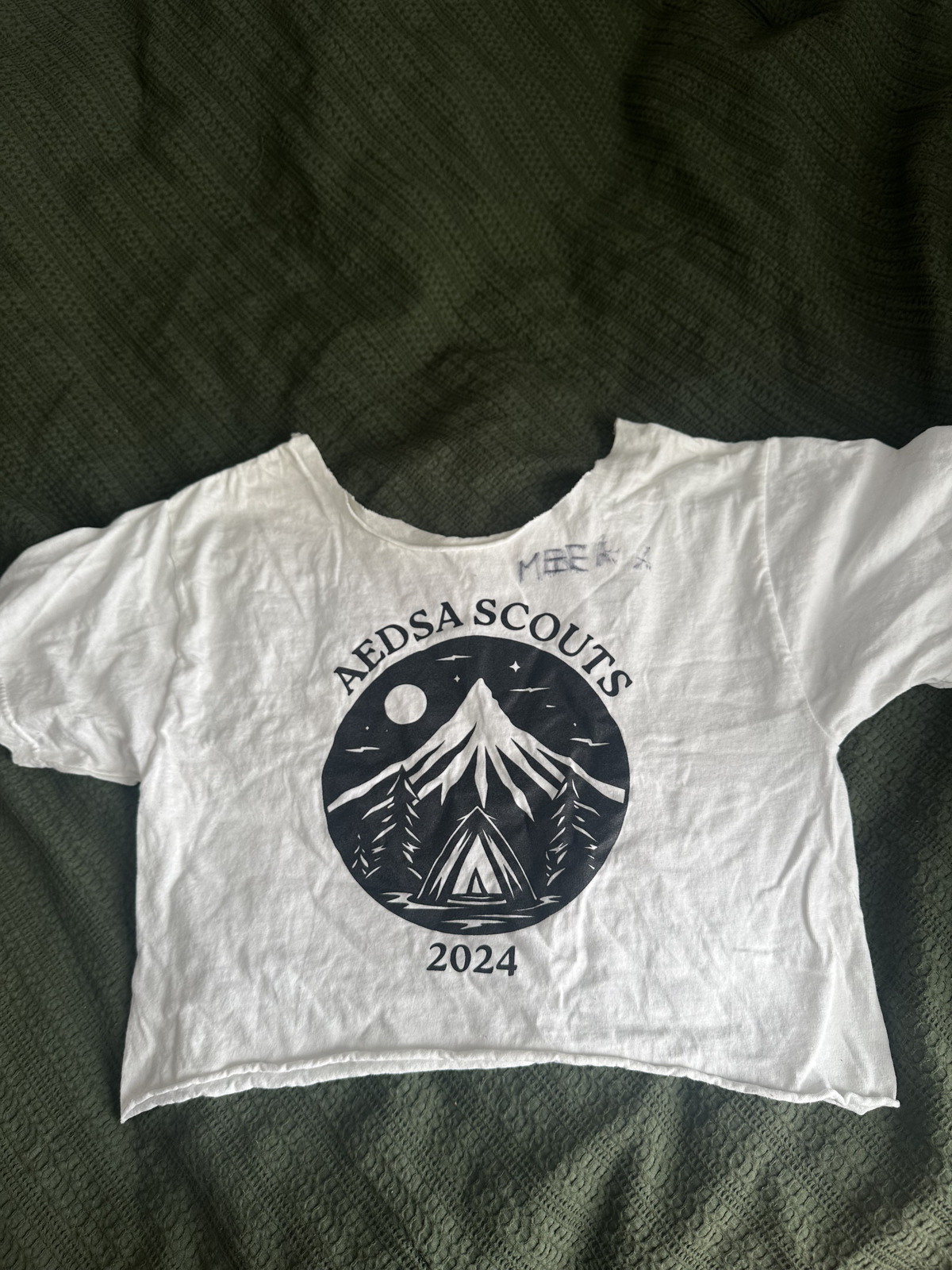
101er Frosh T-Shirt - AÉDSA
A short-sleeved cotton T-shirt produced for the 2024 101 Week (frosh week) Kits at the University of Ottawa’s Faculty of Social Sciences. Purchased in order to attend all the 101 week events created to facilitate community and visibility among new students. -
Latin American Soldiers Committee in Canada
The Latin American Soldiers Committee (LASC) is a non-profit organization based in Ottawa. Their mission is to recover names and stories of Latin American soldiers who have served in the Canadian military. Founded in 2022, they have published remembrance books in honour of the veterans and their families.
Their goal is to inspire future generations by telling each other stories. To educate young people and inspire individuals entering the army. They hold ceremonies and events for Latin American Heritage Month, recognizing all the soldiers and those who have made an impact on Canadian history, for example, Major General Michel St-Louis. All while celebrating Latin American culture and heritage.
They advocate not only for the Latin American veterans but also for the communities in which many of those Latin American soldiers were not recognized or documented throughout Canadian history. Collecting the records allowed the group to show its historical and cultural impact by preserving its work.
-
Barbados (Ottawa) Association Inc.
The Barbados (Ottawa) Association (BOA) is a non-profit organization that was founded in 1966, making it the oldest Barbadian association in all of Canada! Their mission entails working closely with similar organizations to help their members find their place in Canada’s changing society, while having a space where they can maintain a close relationship with Barbados. This year, they will be celebrating their 60th anniversary.
It was founded on the same day that the nation of Barbados obtained its independence from the United Kingdom by six Barbadians who wanted to create a space for Barbadian immigrants. This space would help Barbadian immigrants adapt to life in Canada while also sharing their heritage with the Ottawa community. The current president of the BOA is Jacquie Belgrave-Dixon.
The BOA has since organized many cultural, educational, and recreational activities. They host yearly Independence Receptions and Galas in Ottawa, to celebrate the anniversaries of Barbados’ independence and of becoming a Parliamentary Republic. Additionally, they often encourage their members to volunteer in community events in Ottawa, as seen in events like the yearly Ottawa Race Weekend and Ottawa Black Film Festival. Volunteers represent Barbados and support fellow Caribbean and Black communities. They also regularly host recreational activities, such as bowling nights, trivia nights, and “Promoting Healthy Lifestyles” seminars throughout the year.
To see their upcoming events and get updates on the organization, you can reach the Barbados Ottawa Association by email or follow them on their social media pages linked above -
Canadá Habla Español (Ottawa Chapter)
Canada Habla Español (CANHE) is a Canadian-based organization that operates in Manitoba, Saskatchewan, and Ontario - Ottawa, that encourages the preservation and promotion of the Spanish language. Their mission, here, in Ottawa, is to help expand access to Spanish-language education, while also celebrating the identity and traditions of Spanish speakers of the region. They actively support the development of Spanish-speaking communities across Canada and the preservation of the Spanish language.
It was founded by Ericka Aguilera, an active member and advocate of various Canadian-Hispanic communities, who was born in Mexico. With her are her co-founders, Luz Madroñera and Carolina Testa, from Colombia and Argentina respectfully.
CANHE regularly hosts celebratory and educational events across its seven different chapters, including their yearly Spanish Language Day celebration in April, where you will find a panoply of lectures, panels, and musical numbers to celebrate the Spanish language: all are welcome! They debuted this celebration in Ottawa last year at the Embassy of Spain in Canada, and it will henceforth be celebrated in Ottawa yearly.
They also host a “youngpreneur” program, which aims to provide students with alternative educational paths while helping them connect with the Spanish language and Hispanic heritage. These workshops, conferences, and events allow students to learn from different individuals in their community and develop key skills.
Follow their events and updates on the CANHE website and on their social media pages!
-
Latin Hub Canada
Latin Hub Canada is a non-profit organization that operates in Ottawa. Their mission is to foster the growth of local artists by being the leading platform for international Hispanic and Latin artists, while providing a safe space for them to connect with Canadian audiences. Latin Hub Canada is a local club where Latin artists are able to perform and connect with a Canadian audience on stage, in a way that creates cultural exchange. They are located in Gatineau at 94, rue du Patrimoine.
They were founded by a Cuban-born pianist named Miguel de Armas, and, as of 2023, they are a non-profit organization based in Ottawa, Ontario. They organize activities and soirées showcasing Latin and Hispanic artists in Canada, while helping them gain visibility and opportunities.
They host multiple events such as the Ottawa Latin Jazz Conference, which explores the dynamics of jazz music and includes art exhibits, workshops, and discussions. The Latin Jazz Conference has diverse music and promotes unity.They also host the Fiesta Cubana Fest, which explores Cuban culture, dance, and literary work, with top salsa bands, authentic Cuban cuisine, and cocktails, offering a multitude of flavours. They have 4,307 attendees, 42 activities, 27 bands, and 184 artists.
-
Jamaican Ottawa Community Association
The mission of the Jamaican Ottawa Community Association is to support and empower Jamaican Ottawa-Gatineau residents by creating a community in which all can participate and be involved. They provide services to their members, such as support for elders, resources/information for newcomers, and cultural and educational programs.
The Jamaican Ottawa Community Association was founded in the early 1960s by Carleton University students, and was later federally incorporated in the late 1970s. Also known as the J(O)CA, they are a non-profit organization that aims to support and engage residents in community issues and projects, while also being a pillar of the Jamaican community through its various activities, ranging from celebrations to awareness-raising. This association is currently under the presidency of Claudine Mitchell, who originates from St. Thomas, Jamaica.
The J(O)CA is known for hosting a “JAMDAY” yearly, to celebrate the independence of Jamaica, typically in the first or second week of August. There, you will find good food, music, and a community coming together to celebrate their roots and freedom.
You can sign up to be a member directly on their website, and follow events from their Facebook and Instagram pages.
-
Holas: The Humanitarian Organization of Latin American students
The Humanitarian Organization of American Students (Holas) is a non-profit organization based in Ottawa, specifically at Carleton University, which allows them to have a greater reach and collaborate with different organizations in Latin America and the Caribbean. Their mission is to provide humanitarian aid in Latin America through food, shelter, clothing, and education. They want to eradicate food insecurity in Latin America while also raising awareness of these issues. They aim to reduce poverty and inequality. The club was motivated and driven by a commitment to social responsibility, helping communities back home.
A non-profit founded in 2007 by students in Ottawa. They have helped with humanitarian development in Latin America and in the Caribbean. They have raised 50,000 in development projects. There are about 200 members in HOLA who are actively participating and volunteering.
On their website, there are many pictures of Latin American and Caribbean dance and celebrations featuring traditional costumes. They are partnered with an NGO that allows others to donate to them. They have fundraisers in which they teach free salsa classes with cultural dance groups and folklore. They also host Spanish and Portuguese lessons free of charge for students to learn, practice, and improve their skills. To maintain the group, they meet once a week to discuss upcoming events, allowing students to network.
-
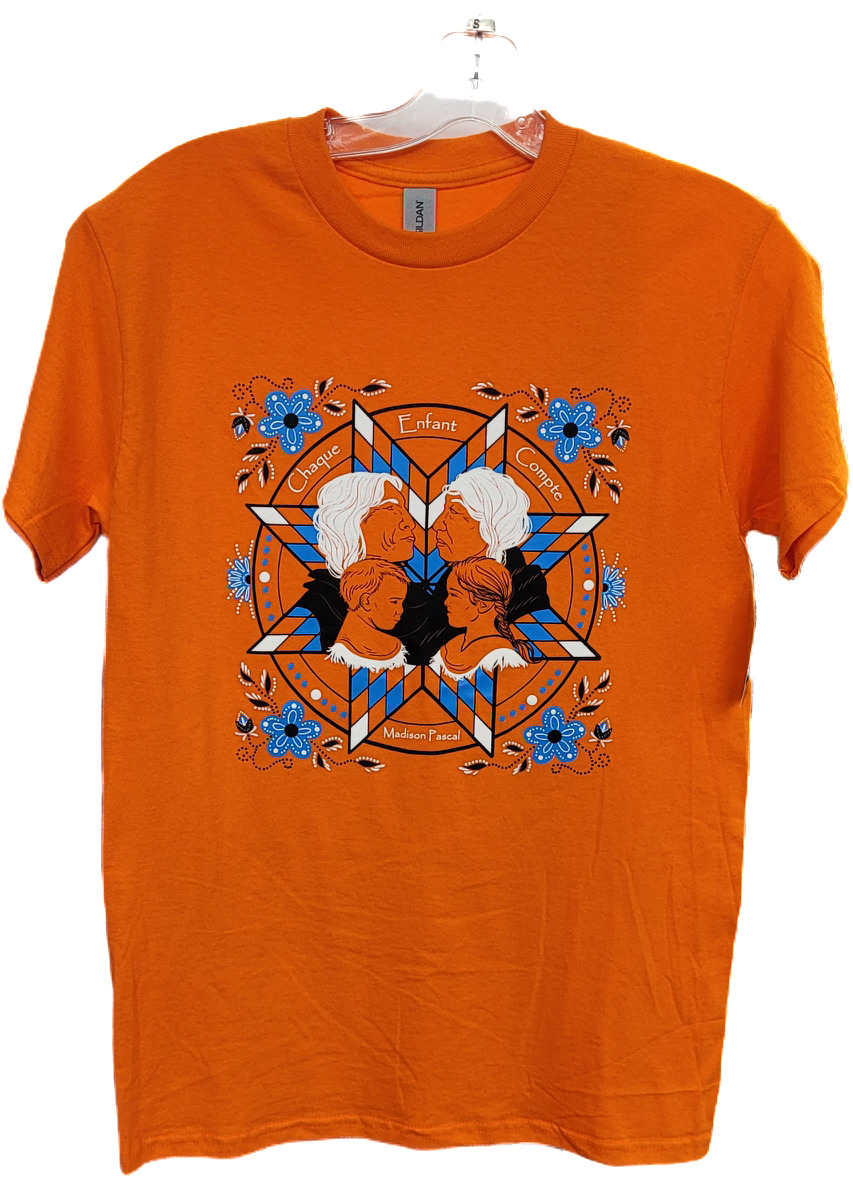
"Every Child Matters" Orange T-Shirt
These Orange “Every Child Matters” T-shirts are made specifically for raising awareness of Canada’s Truth and Reconciliation Day. These T-shirts are representative of the “Every Child Matters” movement with the purpose of spreading awareness and showing support. The University of Ottawa “Every Child Matters” T-shirt is both symbolically supportive to the Indigenous Community as well as financially, with proceeds donated to various charities supporting Truth and Reconciliation. The University of Ottawa students and staff are taught the history of Canadian Indigenous Peoples through guest lectures, and courses throughout the school year, all with the goal of awareness and support. In addition to this education, each course syllabus includes a mandatory land acknowledgement, with many professors adding additional education for their students.