
Browse Items (96 total)
Sort by:
-

Uottawa Waterbottles
Water bottles are convenient, and a portable method of bringing water or any other beverages of a student’s choice with them wherever they go. Not only do they allow the student to stay hydrated, but they are also environmentally sustainable since they are refillable at university water fountains or at any beverage store around campus thus reducing plastic waste. They easily fit into backpack side pockets and are comfortable to hold in your hand as you walk around campus. When Students choose to purchase their stainless-steel water bottles from the University of Ottawa’s bookstore, they have the added benefit of carrying the uOttawa logo with them everywhere they go! -
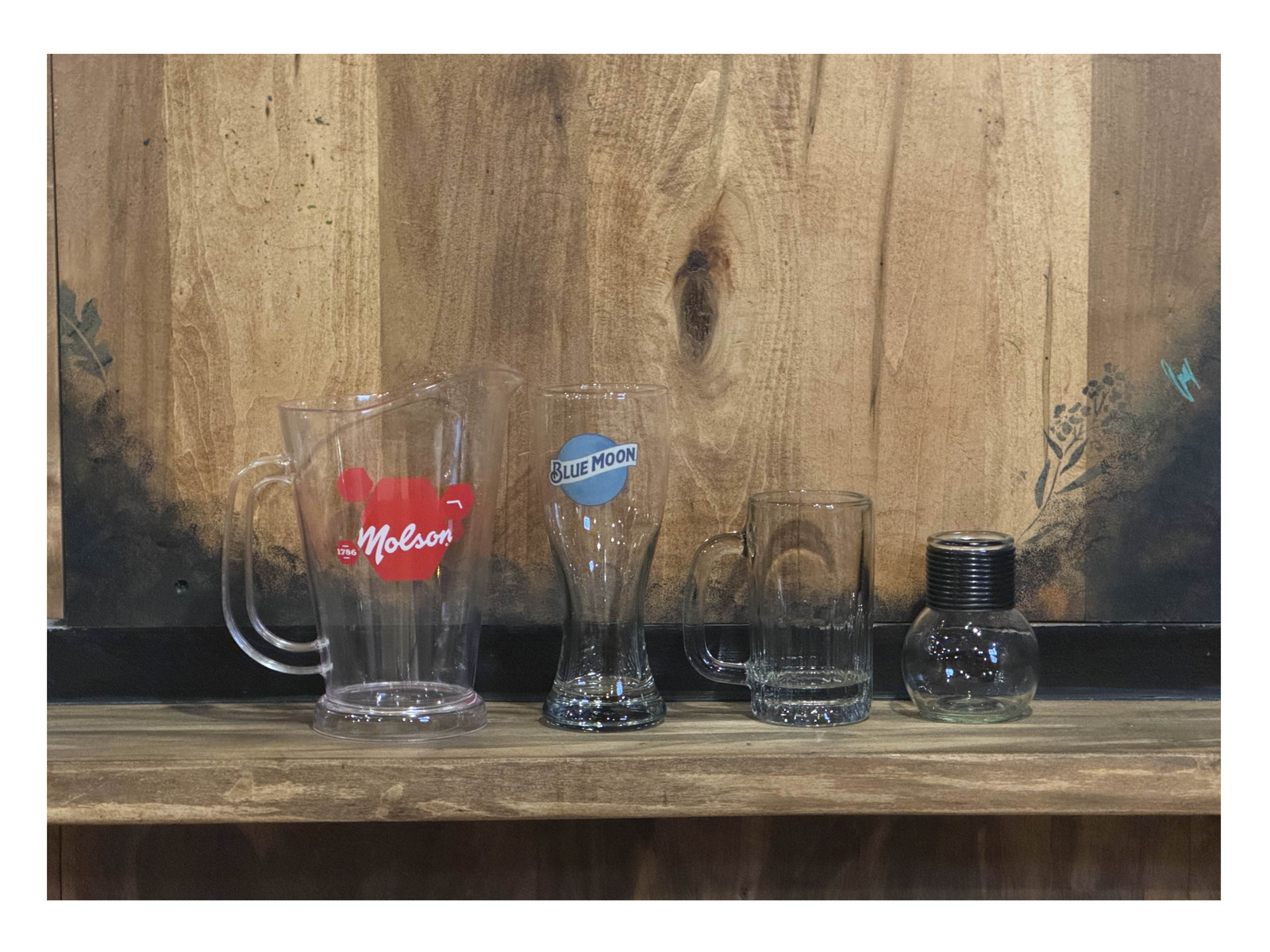
University Pub Glasses – Father & Sons
These glasses come from the University of Ottawa’s most iconic student pub—Father & Sons. Though not officially for sale, the glasses are a collectible among students, often ending up in off-campus apartments as unofficial souvenirs of university life. They represent shared experiences—brunches after exams, beginnings of nights out, and karaoke nights. While the design and logos may change, the glasses remain a recognizable part of uOttawa’s undergraduate social culture. Their “borrowed” nature adds to their legend, marking them as cheeky, nostalgic symbols of student identity and belonging. -
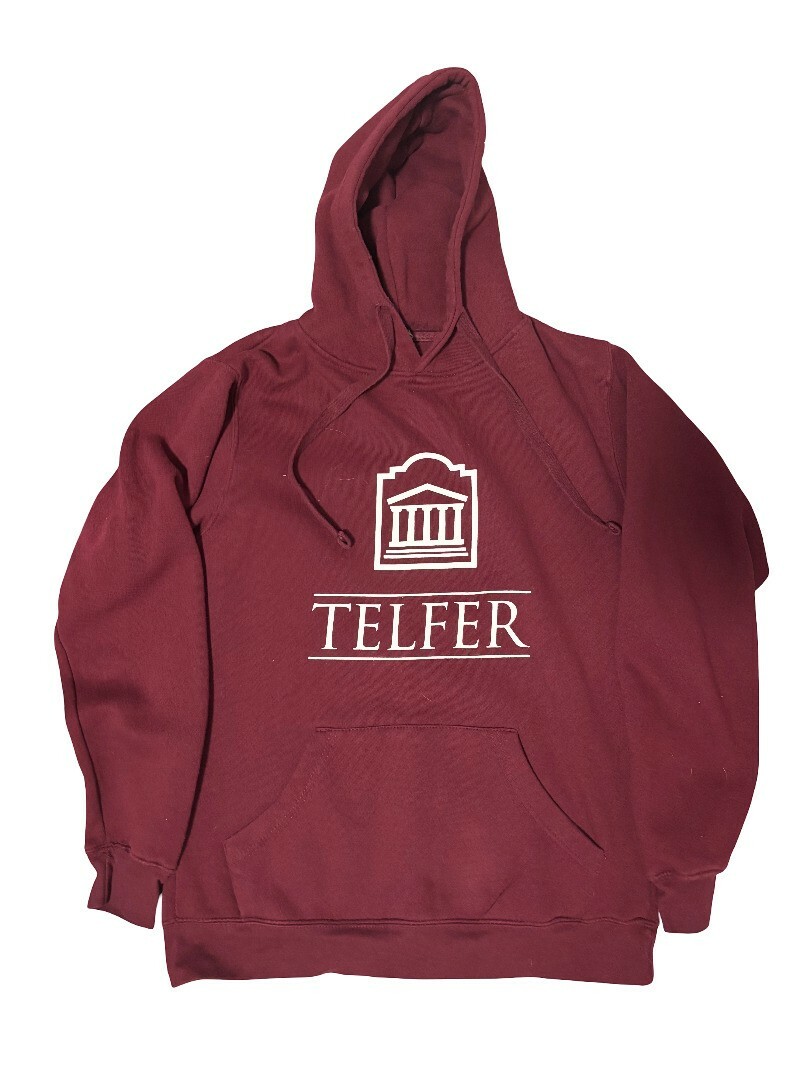
University of Ottawa Telfer Hoodie
This Russell Athletics garnet hoodie (M) was given to all first-year ADM1700
students of Telfer School of Management on 07/09/2024 (DMS 1101). It was made of
cotton-polyester with TELFER and the Telfer school logo in white lettering. Distributed as a
welcome gift to celebrate entry to the program and to be worn with pride, it was very quickly
adopted by students as everyday attire and seen commonly on campus during Fall 2024–2025.
The hoodie is a piece of typical university merchandise that was used in ways to foster a
community, commemorate a milestone, and become a part of everyday student life. -

University of Ottawa Syllabus
A syllabus is a long, detailed document written by the professor that outlines the key information of a university course. It contains a course schedule, themes of lecture material, rules for class conduct, and technical information for the class. All professors are required to follow a certain format for their syllabi. The title page must have the University’s logo, the professor’s name, the class title and code, the location, day and time the class will take place, and also the professor’s office hours. If there is a teacher's assistant for the course, their office hours, name and email should also be included. For the rest of the syllabus, it should contain a description of the course, the objectives of the course, any required texts, the weight that each assignment and evaluation will have on the students’ final grade and a schedule for the semester. -

University of Ottawa Student ID Card.
This laminated plastic card is used as a form of identification for all uOttawa students in addition to uOttawa services like to open automated entry points, a source of payment, and a proof of ID for activities or spaces with specific access requirements, whether it’s in person or digitally. Recently, the university discontinued physical U-Pass cards, and it was absorbed by the UO Student Card, granting university students access to OC Transpo and STO public transportation through their student ID. Exams require student cards as photo ID to verify a student’s identity, as well as your student number which is on the card. As a key card, it grants access to the UO Dining Hall, residences, labs, classrooms, sports facilities, gyms, and libraries. The card can even be used as a debit card for Dining Hall expenses, for eateries on campus, or to spend uOttawa’s Flex Dollars. In 2025, new students can send in their photos for their card rather than having their picture taken in person. This represents how in 2025 education has evolved to be more hybrid, integrated with technology. -
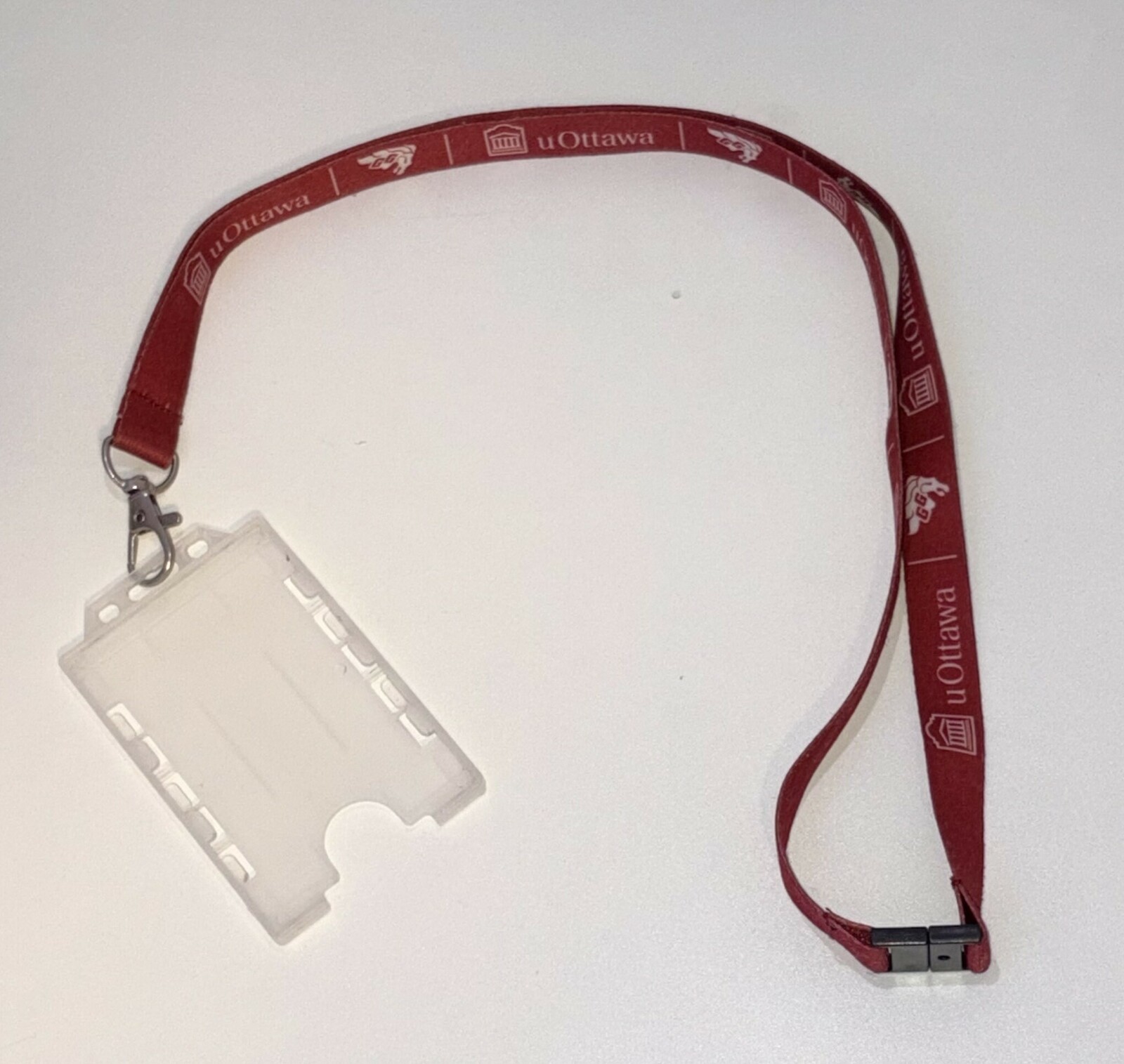
University of Ottawa Gee-Gees Lanyards
lanyards emblazoned with the Gee-Gees logo repeating across the polyester strap. They sport a plastic buckle on one end, with a metal clip on the other to allow for ID and other items to hang from the lanyard. Comes in black, red and burgundy styles. -

University of Ottawa Criminology String Bag from 101 Kit
This light drawstring bag is included in the 101 Kit for new Criminology students.
The kit includes the wristband and "101er" T-shirt that serve as your UOSU/SAFA events
passport during orientation week. Students generally buy the kit (costing around $70–$100) for
access to activities and to receive small free gifts to kick off the term. The bag is useful to bring
your water, notes, and sweater during transitions between events and classes. It also helps you to
feel like you belong in Criminology in your first week on campus. -
University of Ottawa bilingual business card / QR code.
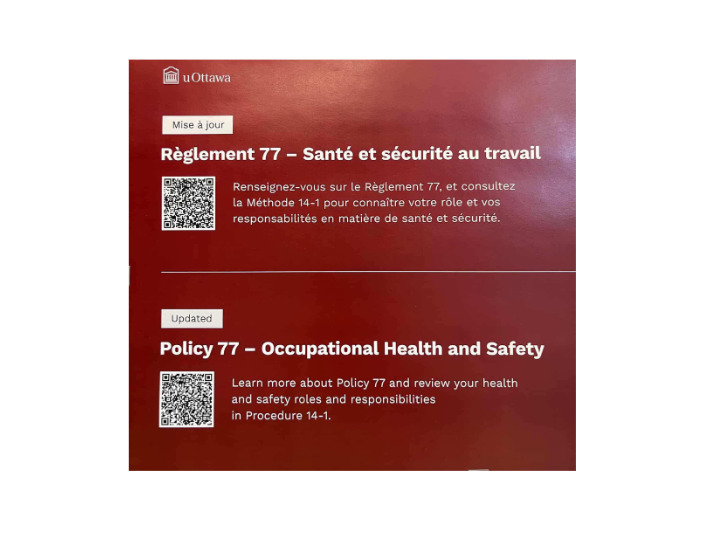
QR codes are frequently found on the University of Ottawa campus in 2025, often used on; business cards, posters, tickets, and menus. Each code being particular and specifically curated for the organisation who created it, made up of small black and white squares arranged in a grid. QR codes are important because they allow for versatility with marketing as they hold much more data and can help reduce the use of paper. By scanning the code with a cellphone camera, the QR quickly brings the students to informational sites and links. On this poster there are two QR codes, one leading to the French website and one to the English website. This represents how this technology is crucial and a staple for the University of Ottawa students in 2025 as it caters to the bilingualism that is a core value of the university, as well as being an efficient way of accessing information on campus through cellphones. -

U Cup; Coupe Mug
This travel mug exemplifies the common device of students at the University of Ottawa, along with students at large. Whether it contains coffee, tea or simply water, this drinking vessel is unmistakable on a university campus in 2025.
While a mug bearing the University of Ottawa's insignia is not always in public use, students on the uOttawa campus and those across the country are rarely found without some sort of mug, bottle, or tumbler.
Whether you are tracking your hydration intake, carrying it as a status symbol, or simply carrying it with you to help your morning motivation, this mug is undoubtedly a college kid’s necessity. -
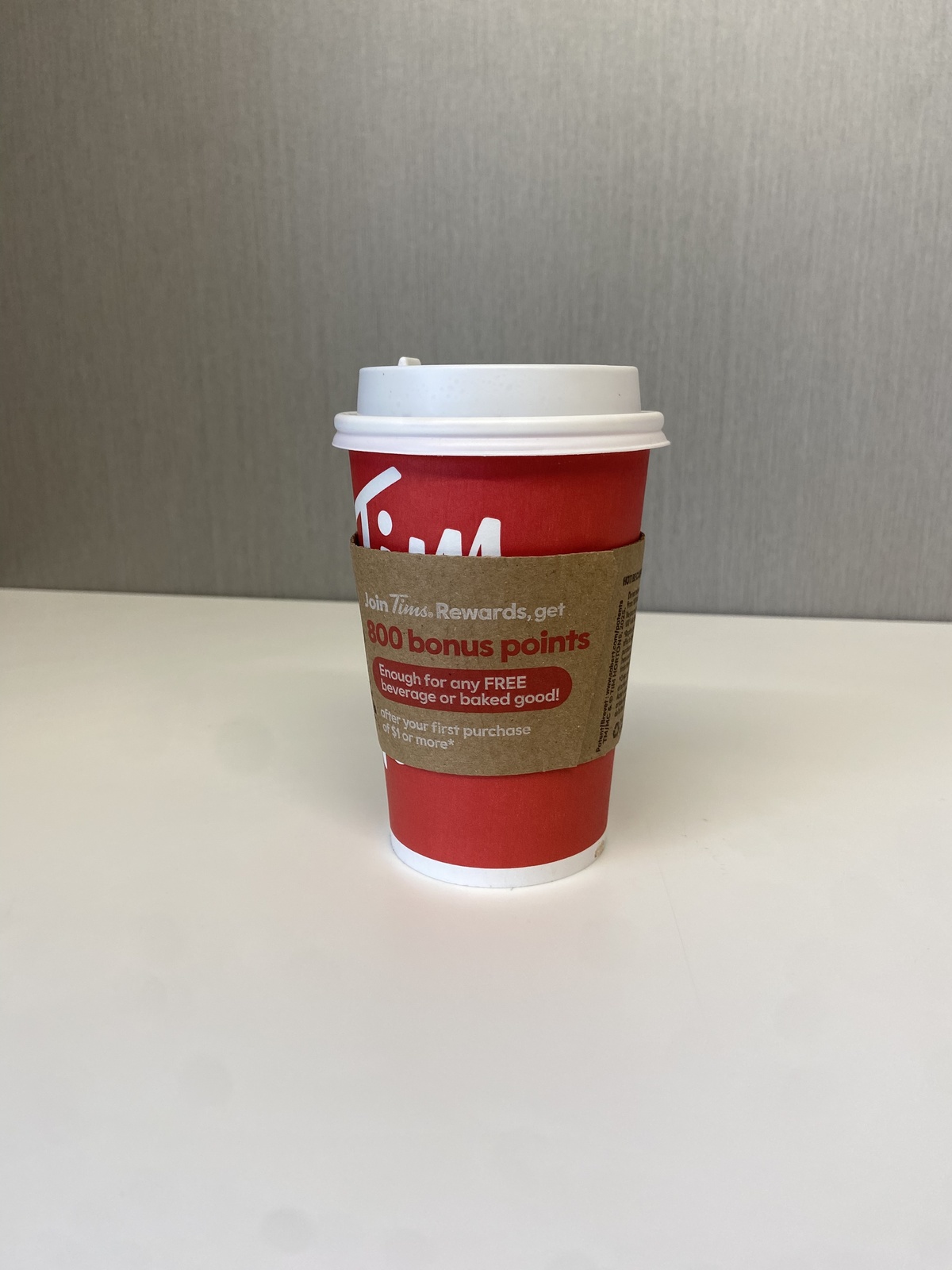
Tim Hortons Coffee Cup
Coffee is a hot, dark and bitter drink that contains coffee beans and caffeine. This beverage powered by caffeine fuels countless students through long lectures, study sessions, and general daily routines. This drink has become a powerful staple of campus culture. It is used by thousands of uOttawa students as a tool to combat fatigue, enhance focus, and improve mood to help students navigate academic life and complete tasks such as studying, homework, and assignments. Coffee is particularly valued during periods of high stress, such as exam seasons. Coffee is also consumed by students out of academic contexts because of the appealing taste.
Coffee can be purchased at several locations on the uOttawa campus, and many more locations in the surrounding area. On campus, some popular locations include Tim Hortons (145 Jean-Jacques-Lussier Pvt), Second Cup Coffee (65 University Pvt), and Starbucks (55 Laurier Ave E). Because of the high demand for coffee by the student body, these locations are open every day of the business week, and even regularly employ students.
-
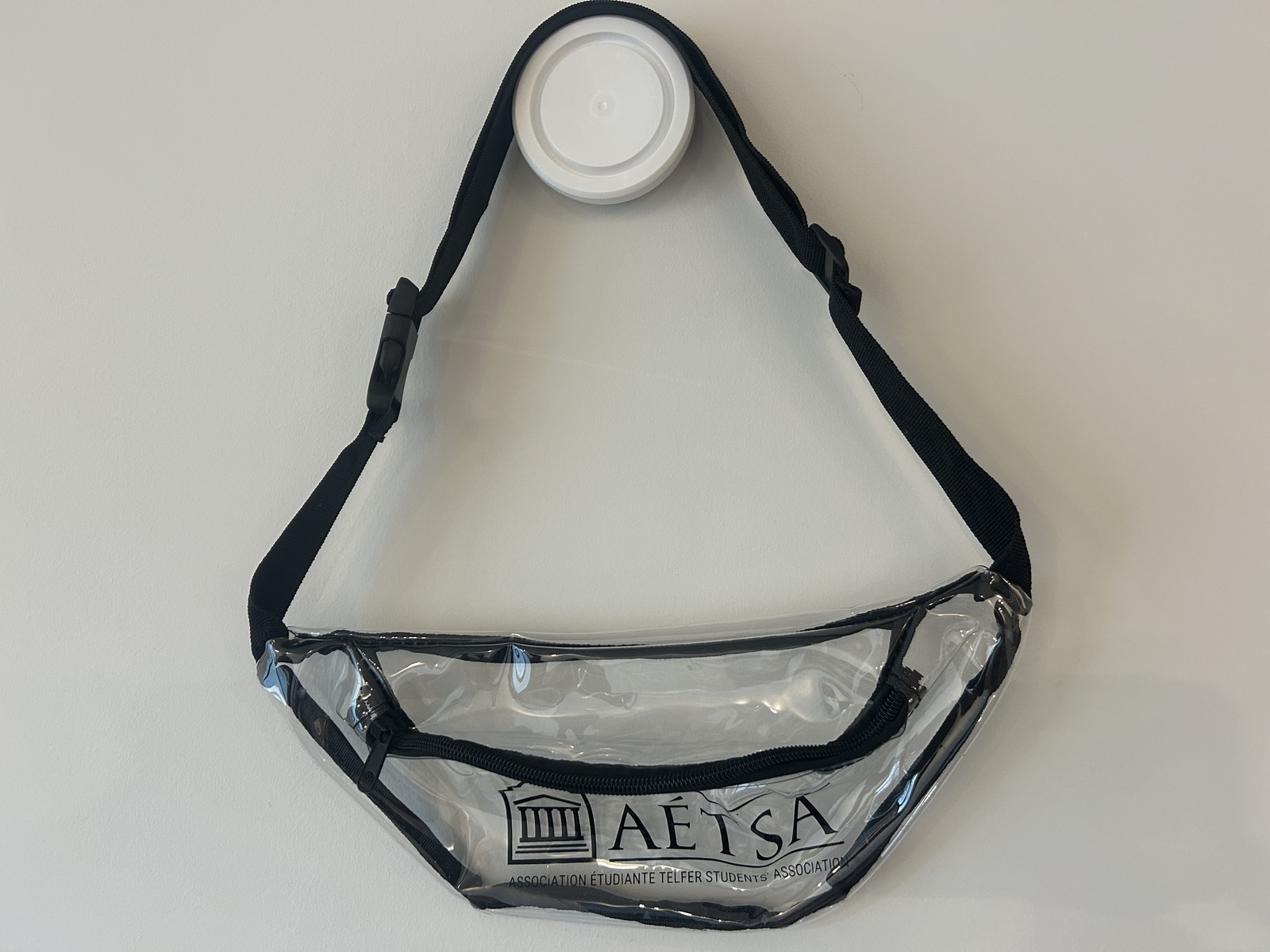
Telfer AETSA fanny pack
The clear AETSA fanny pack just makes campus life at the University of Ottawa easier. Toss in your student ID, keys, phone, and anything you need for class or a Gee-Gees game. It’s all right there, no digging around. Plus, the transparent look and bold AETSA logo let everyone know you’re part of the Telfer School of Business crowd. It’s a simple way to show your school spirit and stay organized at the same time. -
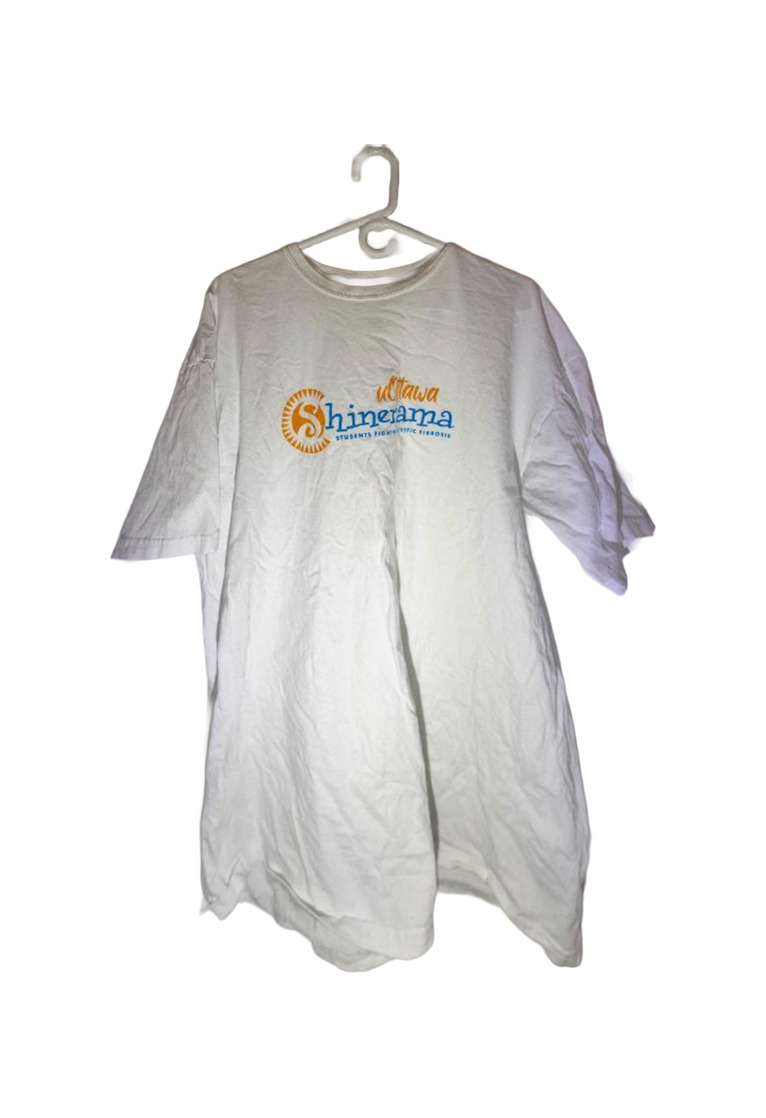
Shine Day T-Shirt
The Shine-Day activity originates from Cystic Fibrosis Canada’s fundraising initiative called Shinerama. This T-shirt is part of the mandatory dress code for student volunteers serving as marathon guides during the University of Ottawa’s 2025 101 Week, hosted by the University of Ottawa Students’ Union (UOSU). The purpose of this marathon is to raise funds for Cystic Fibrosis Canada. This T-shirt represents UOSU and uOttawa students’ commitment to supporting their community through charity. It also symbolizes students’ dedication to taking action and embracing social responsibility. The T-shirt is size XXL, white in colour, with the uOttawa text and the Shinerama logo printed on the front. -
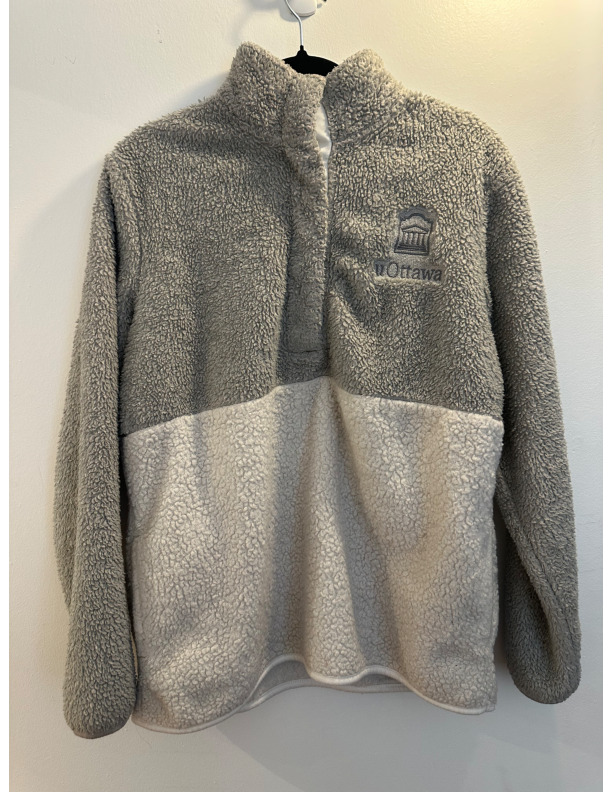
Sherpa Jacket
This sherpa jacket is a lightweight but cozy way to stay warm against the cold temperatures we face in Ottawa. Made to resemble sheepskin, this 21st century outwear piece is apart of both men and women's fashion making it a popular choice for everyone. -

Sandy Hill Grocery Accessibility
These maps critically analyze food assets available around the Sandy Hill area by considering the affordability and accessibility of the grocery stores outside of its boundaries, acknowledging that inside its boundaries, the only options are convenience stores with high price points and limited options in variety and diversity, as well as eat-in and take-out places, which are less sustainable for its residents.
-

Sambas OG shoes
The Adidas Samba shoes throw it back to the glory days of sport. Originally built for football, these iconic kicks have since become a casual favorite for sneakerheads and fashionistas alike. Their full leather upper, accented with a nubuck toe cap, delivers a premium look that only gets better with wear. Serrated 3-Stripes add adidas style for a look that will always be an original. This timeless silhouette is ready to take on your everyday adventures -
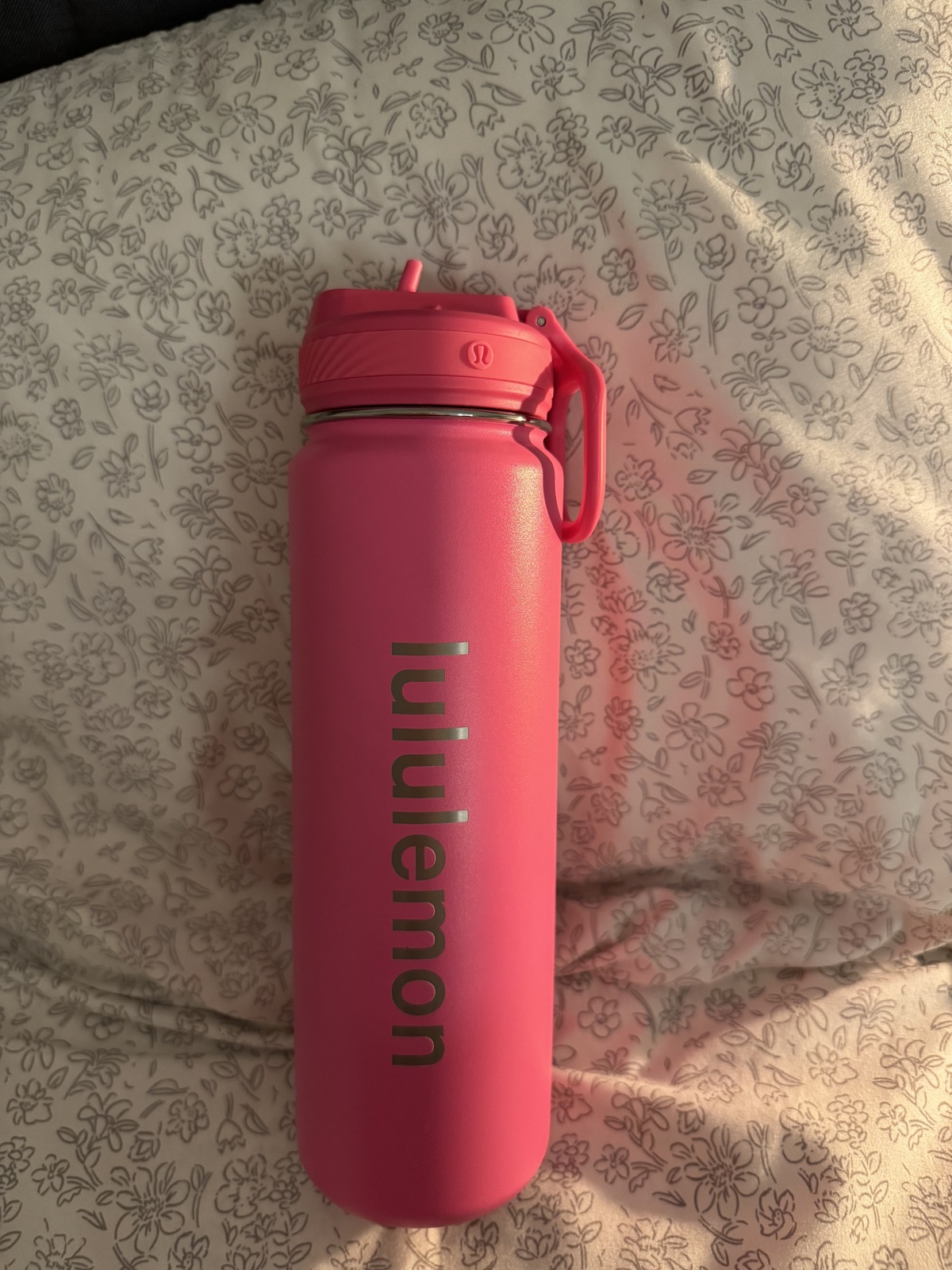
Reusable Lululemon Water Bottle
A reusable water bottle created by Lululemon that combines a minimalistic design with everyday functionality. Made from stainless steel with a silicone grip and a polypropylene lid, which helps keep drinks at a cool or warm temperature while reducing the need for single-use plastics. -
Potential Sites for New Sandy Hill Community Gardens
Introduction. Our group, consisting of Supreet Phangura and Jodie Choy mapped community gardens and landlord company-owned areas in Sandy Hill. The boundaries of our mapping were from Rideau Street to Mann Avenue, and then up to Range Road.
Community gardens are critical for our understanding of food assets in a few central ways. Firstly, community gardens can indicate socioeconomic status of an area through observation of infrastructure and how well-maintained it is. Secondly, the crops that a community garden produces can signify a gap in food assets as well as physical and monetary accessibility otherwise provided by food infrastructure in the area. Finally, the demographic of the community garden’s users can signify the level of food insecurity and need for mutual aid. In particular, an analysis on how socioeconomic factors shape what people think community gardens are for found that age, education, and annual household income had significant impact on how residents perceived benefits and purposes of community gardens. Annual household income was a strong indicator of whether a resident viewed gardening as a tool for physical health and increased produce intake, with higher-income individuals more likely to view community gardens as a way to increase physical activity. On the other hand, for lower-income individuals, community gardens were viewed as essential tools to obtain food while under financial pressure. Lower-income households were also found to be more likely to be recipients of produce, rather than active participants in the gardening process itself (Tackie et al., 2014).
Community gardens are an essential part of the story about how communities address food insecurity. Community gardens reveal the socioeconomics of food asset availability in Sandy Hill. In combination with this, the amount of landlord company-owned housing is also critical for the understanding of food assets because increases in landlord companies are heavily associated with gentrification. Gentrification tends to remove more affordable, smaller grocery stores by replacing them with high-end, chain grocery stores. It also has a tendency to bring about commercial development and a subsequent demographic shift. This leaves the neighbourhood at an overall lower affordability level, reflected prominently in the decrease of independent landlords at the expense of landlord companies.
A study performed a cross-sectional analysis on measures of gentrification and food access in Toronto found that 45% of all low-equity areas are unfavourable food environments (Menka et al., 2025). Moreover, all gentrification measures were significantly associated with food desert presence, meaning increases in gentrification were linked to lack of access to nutritious food (Menka et al., 2025).
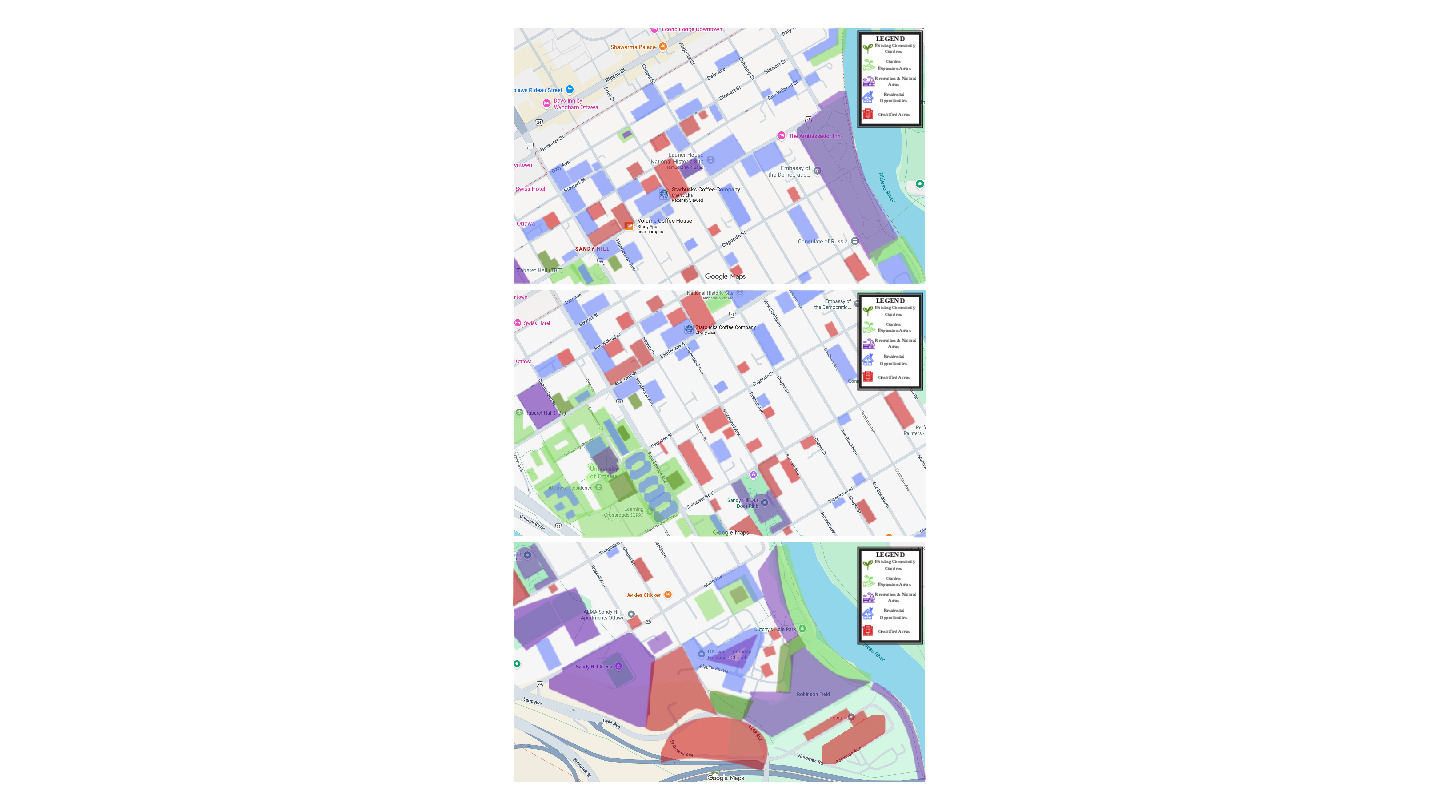
Community Gardens and Landlord Companies in Sandy Hill: 2010 vs 2026 One of the main tensions that we found was how community garden usage seemed to indicate a lower socioeconomic status of the Sandy Hill area, despite obvious gentrification and decreased affordability of the area. Through analysing the individual factors of increase in community gardens and presence of landlord companies between 2010 and 2026, we seek to understand how socioeconomic status plays a part in telling the story of food asset availability in a community.
Community Gardens The Sandy Hill community garden scene in 2010 encompasses the Sandy Hill Community Garden, the Strathcona Park community garden, the Gathering Garden, the St. Joe’s Supper Table Community Garden, the Robinson Park community garden, and various community gardens run by programs on the uOttawa campus. In 2026, as pictured by the figure to the right, community gardens in Sandy Hill were limited to Sandy Hill Community Garden, Strathcona Heights Community Garden, St. Joe’s Supper Table Community Garden, Robinson Park community garden, and the same community gardens on the uOttawa campus.
Between 2010 and 2026, Gathering Garden was adjointed to Strathcona Community Garden. Notable differences include Strathcona Heights Community Garden, which was built in 2024 and seems to have replaced Strathcona Park community garden, but also features the expansion of new beds near 721 Chapel Crescent. In 2010, Strathcona Park community garden had 41 plots along 430 Wiggins Private, while in 2026, Strathcona Heights Community Garden has expanded to 3 locations: two benches at 300-310 Wiggins Private, one bench at Lori Heath Park, and two benches near 721 Chapel Crescent (McCallum, 2024). Both St. Joe’s Supper Table Community Garden and Robinson Park community garden were still running and recently active, and there seems to be a new community garden on the uOttawa campus in the form of Place des Francos-Ontariens Garden along Laurier Avenue.
Sandy Hill Community News interviewed a variety of Sandy Hill community gardens in 2020. By examining purported usage and reason for constructing a community garden, we can see that individuals tended to see them as a means to obtain food under financial pressure, consistent with findings that indicate use by those of lower socioeconomic status. Sandy Hill Community Garden originally opened around 2008 with an associated food bank which eventually disappeared, but was revived during COVID-19, indicating a very strong correlation to use for easing financial pressure.
Hildegarde Henderson from Strathcona Heights Community Garden noted that “when markets were reduced or closed, the community garden’s produce was very welcome in the neighbourhood” (Whitelaw, 2020). St. Joe’s Supper Table Community Garden is primarily used for providing food to Sandy Hill residents through its two food banks, community kitchen, sandwich service, and dinner service. St. Joe’s Supper Table Community Garden is also a prime example of how lower-income households were found to be more likely to be recipients of produce, rather than active participants in the gardening process itself (Tackie et al., 2014), since many recipients of this food are not participants in the garden.
Andrew Hall and Sue McKee mention that the University of Ottawa King Edward Community Garden had, in past years, had a garden for refugees, another for an organisation protecting battered women, and some space for two homeless people to use (Whitelaw, 2020), on top of general usage by students. The demographics of usage of Sandy Hill community gardens very clearly indicates a presence of low socioeconomic status individuals in the area, and the increase in community garden space between 2010 and 2026 indicates that this presence is only growing. In short, community gardens are an essential part of the story about food assets in Sandy Hill because they tell us where food insecurity lies, whether or not it is increasing, and what the community is doing to address it.
Landlord Companies. In 2010, the Sandy Hill housing market was mostly dominated by individual and family landlords, some local property owners, and owners of converted heritage homes. In short, it was largely characterised by decentralised ownership. In 2026, however, there has been a widespread consolidation into large landlord companies. On our walk, we found that properties were mainly owned by Sleepwell Property Management, Smart Living Properties, Paradigm Commercial, FRC Real Estate, CLV Group, and Osgoode Properties. Additionally, 2010 mainly had individual property owners, while 2026 has an increase in multi-property investors even aside from landlord companies.
There was also a large increase in the average price of a house, as noted by Agent in Ottawa Realtors, where the average house in 2010 was priced at $435, 406, and the average house in 2025 was priced at $559, 109. The kind of build dominating Sandy Hill has also seen various changes throughout the years. A study performed in 2010 regarding Sandy Hill being a cultural heritage landscape noted that in the early 1900s, Sandy Hill was largely dominated by single family residences mostly housing Ottawa’s manufacturing and mercantile elites, with some construction of middle housing in vacant lots.
Between 1922 - 1956, there was a trend of expansion of existing housing stock through new construction; the subdivision of existing single-family homes into multi-family homes, which mirrors multi-unit trends we see today; and the construction of apartment buildings. Overall, the housing market was beginning to shift to accommodate middle-income families rather than elites. In 2010, the study notes that because the Sandy Hill area was largely established by the mid-20th century, the existing housing stock had remained relatively unchanged since then. Many smaller, multi-family homes were owned or lived in by the student population in Ottawa.
In 2026, the housing in Sandy Hill consisted mostly of restored Edwardian homes, historic triplexes, student rentals, and modern mid-rise condos. There is now high demand for triplexes, updated heritage properties, and turnkey condos. Interestingly, across 2010 and 2026, there is a consistent prevalence of multi-unit houses being rented out to students. This story of accommodating elites, to middle-income homes, to a wide variety of modernised housing, follows a similar trail of food asset availability in the Sandy Hill area. As mentioned before, the affordability of the neighbourhood is not what mainly creates food deserts in Sandy Hill. Rather, it is the change in infrastructure itself. This makes sense, given that the most notable difference between housing in 2010 and 2026 is that middle-income housing was more prevalent and that heritage properties were beginning to see massive updates.
It’s likely that the shift towards converting Sandy Hill housing to be more modern and accommodate more people was part of a gentrification effort that ultimately changed food asset availability. These findings are particularly pertinent in relation to our findings about community gardens, which also highly point towards effects of individual socioeconomic status on food availability. Important to note is that, in 2009, the Ottawa Development Report showed that rental vacancy rates in Sandy Hill sat at 1.4% before shooting up to 2.4% in 2010, where the city average at the time across Canada was 1.6%. This means in 2010, there were more units for rent than needed. In 2025, rental vacancy rates sat at 3.3% as reported by Ottawa Lookout, meaning there was an increase in oversupply. However, realtor.ca found that approximately 80% of Sandy Hill consisted of renters. This is likely explained by the large demographic of students dominating Sandy Hill, which causes frequent turnover, but also creates a need for oversupply because of the fluctuating amount of students per year who may need housing. Rental vacancy is positively associated with gentrification due to trends where vacancy makes future redevelopment via gentrification. This points to a narrative about Sandy Hill food assets where there is overall disinvestment in infrastructure supporting residents, replaced with investments in infrastructure supporting the priorities of companies and larger landlords who invest in the area. Such a narrative is consistent with the dramatic increase in the noted use of community gardens in ways that indicate lower socioeconomic status and increased food insecurity, despite the fact that Sandy Hill as a neighbourhood is decreasing in affordability and increasing gentrification.
Recommendations. Community gardens mainly face issues regarding waitlists, plot distribution and equitable access, plot abandonment, stealing, community integration, visibility and awareness, and lack of resources. To address waitlist problems, we recommend implementing a “use it or lose it” policy wherein inactivity for a certain period of time triggers reassignment. For plot distribution and equitable access, we recommend partnering with local groups like tenant associations and newcomer services to ensure inclusive access to plots. Putting requirements for a basic participation, like minimum maintenance expectations, could help mitigate plot abandonment issues, and stealing could be addressed through fencing, construction of natural barriers to wall off gardens, and signage. Community integration could be aided by having crops that are used in multicultural recipes, so all demographics in the Sandy Hill community could have crops they can make use of. Additionally, Sandy Hill could organise community days that offer food made from gardens to the Sandy Hill community to bring in new volunteers and foster relationship-building with and between community members. Visibility and awareness, which is a main issue we encountered on our initial walk, can be addressed using awareness campaigns such as posters in public spaces.
Community gardens could also contact related organisations to send out email newsletters, and put up signage with QR codes to give more information on the community garden and indicate how to join. Lack of resources such as volunteers tending to the garden and storage space can be helped by integrating gardening into CSL placements at the University of Ottawa. This has already been implemented with some of the community gardens on the campus, such as the King Edward community garden, but can be extended to non-campus community gardens as well. Finally, our general recommendations include implementing rules and regulations around food distribution, such as who has access to gardens, and who can harvest. -

Pedro the Panda
Pedro the Panda is a symbol for university students in Ottawa. It goes to the winner of the iconic “Panda Game” that takes place in early October between the two universities in Ottawa. It's where the Carleton University Ravens and the University of Ottawa Gee-Gees partake in a football game where the winner keeps it until the next game the following year. It represents pride for the winner and instills a greater sense of rivalry between the two schools.
The game alone is one of the most celebrated traditions in the Ottawa local area; Pedro is more than just a trophy, he is a mascot of the rivalry, a symbol of school spirit, and a part of the lives of many university students. It represents not just victory in a football game, but also bragging rights, student pride, and a connection to the legacy of the Panda Games. -

Panda Games Tickets
The Panda Games are an annual event in which the University of Ottawa plays a high-stakes game of American Football against Carleton University. There has been a long standing rivalry between the two universities, resulting in these tickets becoming a hot commodity. Typically, sides are chosen for each team’s university to sit at, and these sides are displayed as the tickets are purchased. It was also common for the audience of the winning university to bypass their safety restraints and go onto the playing field, known as “storming the field.” -
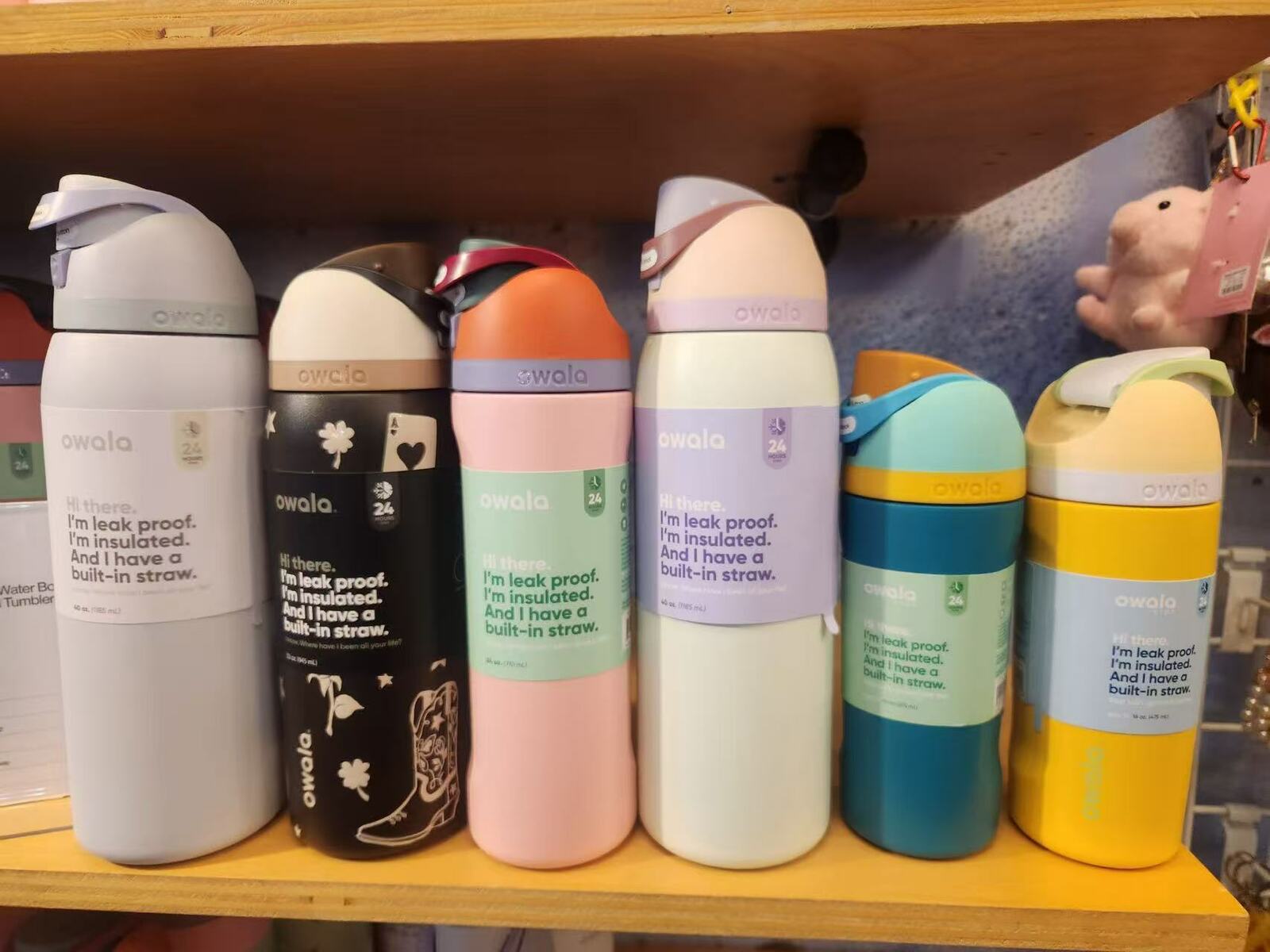
Owala FreeSip 24 oz Water Bottle
When it comes to water bottles that students use, there is a variety in terms of brands. Based on our observations, the main target audience of this brand of water bottle is female, due to their fashionable appearance and diverse colors. Despite water bottles being meant as reusable items in which you don't need several, it has been observed that students keep buying new ones. The current trend in part determines what water bottle brands students are getting. This influence comes in the form of videos on social media promoting how much better a particular water bottle is than the last one. To keep up with each new water bottle coming out. They are promoted as another accessory to carry around. -
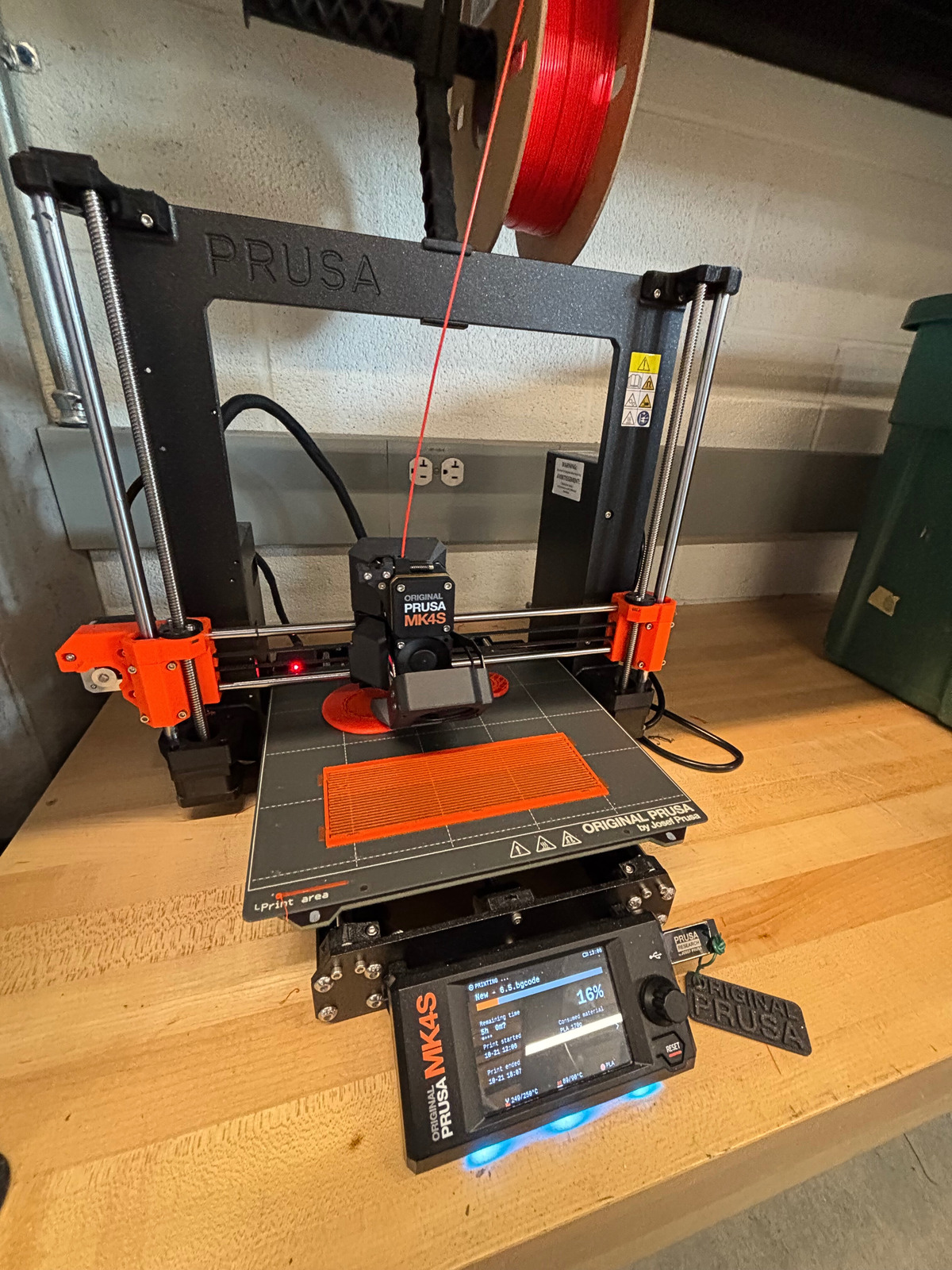
Original Prusa MK4S HF0.4 nozzle
3D printing machines can be found in the STEM building in MakerSpace since 2017. This space is a part of Centre of Entrepreneurship and Engineering Design (CEED) and is a crucial aspect of the engineering faculty . Back in 2017, the only printers available were the UltiMakers released in 2013. In Summer 2025, CEED acquired two Prusa MK4S in MakerSpace. This place is available to all students and staff members of uOttawa. It is useful to engineering students for many of their classes, but it is also used for personal projects by other faculties. In prior years, access to the printing machines was free. As of Fall 2025, costs of ten dollars are included in tuition fees of engineering programs. For other members of the community, a few options are offered; it is free on Sundays, they can buy a day pass for 5$ or pay 25$ for a semester with unlimited use. Since 2017, Richard L'Abbé Makerspace and its 3D printers have been part of the culture, but the Prusa MK4S are truly unique to the current culture now in 2025 and have changed how things work in general. -
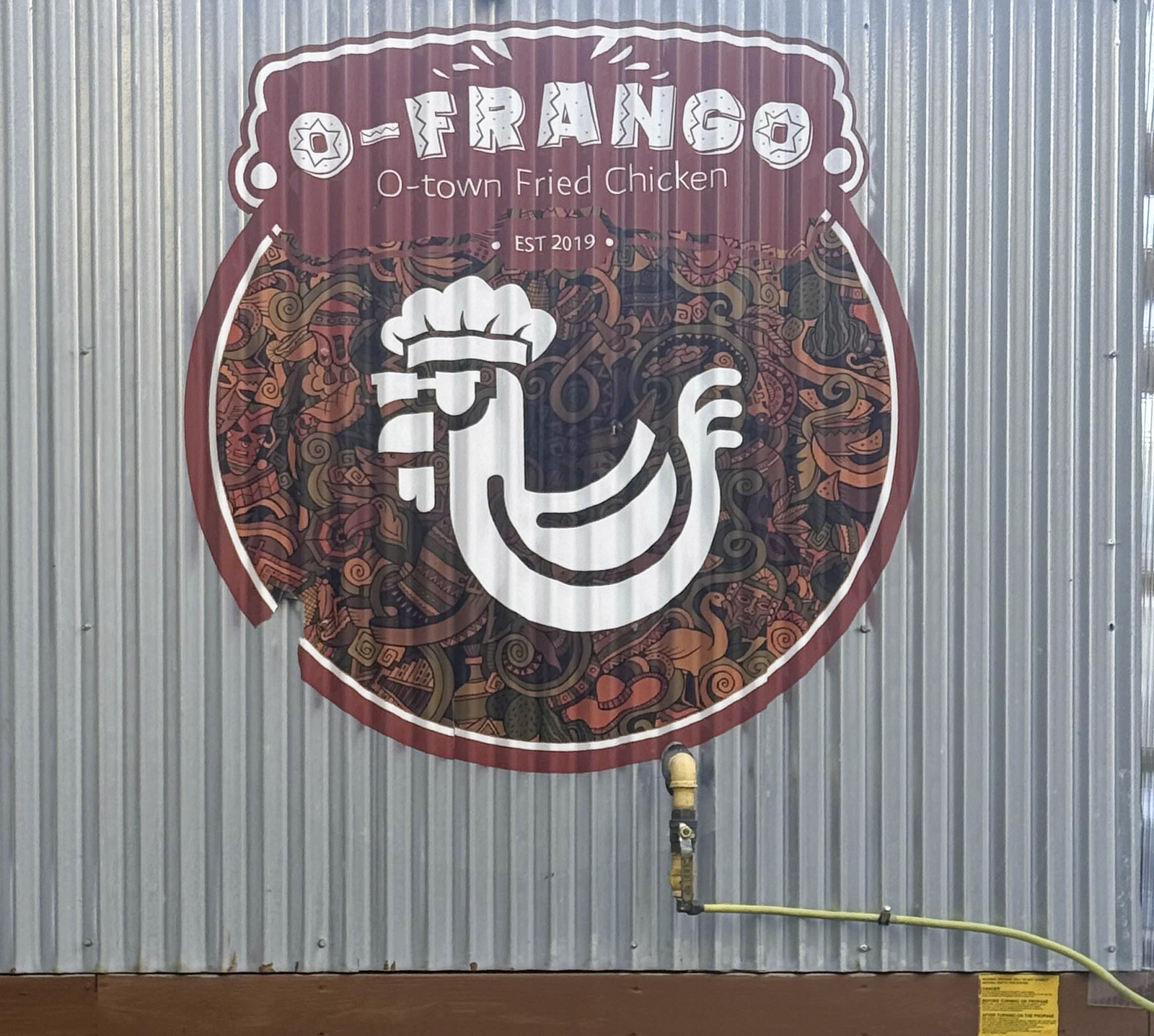
O-FRANGO
O-Frango is an affordable food truck near the University of Ottawa campus that has become a go-to dining spot for many students after class. Their fried chicken and fries served with a variety of sauces are a big hit among students. It perfectly reflects the daily life and food culture of uOttawa students in 2025. Outside their food truck, there's a plastic canopy and tables where students can eat their fried chicken right away or share it with friends. Not only that, but their lunch boxes and food carts all feature their own logo—a chicken wearing a chef's hat—along with the date they opened and their slogan: “O-town Fried Chicken.” -

Map of Sandy Hill’s Active Rental
Our group mapped apartments and rental properties in Sandy Hill. This topic is important for understanding food assets because it maps physical distance between people and food sources, as well as the financial status of people who live in rental properties and how much money they have to spend on food.
Sources for our findings include real estate agents (collect information on housing for the purpose of selling, investing, and advising others), and Statistics Canada.
The average household income in Sandy Hill before taxes is $87,400. The median household income before taxes is $62,400. (CMHC, 2020)
There is a large student population in Sandy Hill, which likely contributes to the lower average income in the neighbourhood as opposed to the Ottawa average. Students tend to live on the west side of the neighbourhood, closer to the University of Ottawa campus where household income is generally lower (John Castle, 2023). Additionally, Sandy Hill has a slightly higher than average rent for single-person households compared to the Ottawa average. Sandy Hill has also had rapid growth in population since 2017, with unemployment rates being higher than the national average (John Castle, 2023). Vacancy rates rose during the pandemic but have since recovered (CMHC, 2020). According to residents, housing is a major point of complaint, as rent prices have been high in recent years (areavibes.com via Statistics Canada).
According to a study done focusing on student living in Ottawa and Ontario "The average rent paid by students surveyed is $926.8, with 95% (n= 310) identifying rent prices as a primary challenge. Students in Ontario face a higher average rent ($935.4) compared to those in Quebec ($830.1). Financially, 25% (n= 106) of respondents rely solely on employment income. A student earning the minimum wage in Ottawa ($17.20/h) would need to work 54 hours per month just to cover the average rent cost, excluding tuition, food and transportation costs."STUDENT HOUSING CAUCUS REPORT
A large number of apartment buildings in Sandy Hill are on the north side of the neighbourhood, close to Rideau Street. It is difficult to tell if a property is owned or rented during a walkthrough of the neighbourhood. For example, often historic buildings are converted and/or renovated into multiple rentable units, but that it is impossible to tell just by looking at them.
The interactive Google Map, below, shows some of the rentals and single family homes we marked. This map is not complete as we did a pedestrian survey of the neighborhood. We will be updating this map at a later time. -

Levi’s Blue Jeans
An invention for the American worker became the uniform of progress. Worn by miners, cowboys, rebels, rock stars, presidents, and everyday men and women, these functional pieces were the clothes people not only worked in—they lived their lives in, too. - Levi's description of their product
The gen z uniform, what university of ottawa students tend to wear to go anywhere, class, clubs, shopping, etc.