Browse Items (6 total)
Sort by:
The Stages of the Little Burgundy Urban Renewal Project
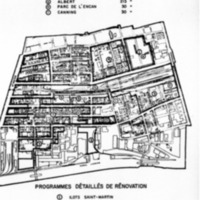
The name Little Burgundy (St. Antoine District) only became a recognized neighbourhood name in the 1960s, when city officials used it to label an ambitious urban renewal project. For decades, the community had been heavily dependent on railway…
Charlie Burke
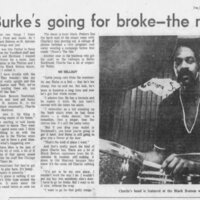
Charles Burke grew up on Coursol Street in Montreal and, after finishing school, worked as a railway porter. His seniority on the railway allowed him to select a schedule that left his weekends free, which gave him the opportunity to start a side…
Railway Porter F. R. Blackburn
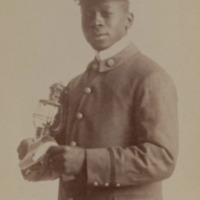
Railway porters, such as F.R Blackburn, were known as conduits of culture, often coming into porting already educated and well-travelled. Their work took them through some of the busiest cultural corridors in North America. As they moved between…
Interview of Velma Iris Coward King by Stanley Grizzle

The pull toward opportunity grew even stronger through the work described by Velma Iris Coward King, whose efforts within the Ladies’ Auxiliary, (organizing plays, coordinating fundraisers, and raising money for scholarships), made Montreal…
Interview of Evelyn Braxton by Stanley Grizzle
As Black families arrived in Montreal seeking stability they had been denied elsewhere, the city’s developing community networks became an additional pull factor. Evelyn Braxton’s memories of the Ladies’ Auxiliary hosting cultural gatherings,…
Interview of Joseph Morris Sealy by Stanley Grizzle
Many Black families were pushed from their homes because of discrimination, limited schooling, and unstable jobs, creating a need to move somewhere with real economic security. Montreal became that destination because the railroad industry offered…