Life Outside Steel: Sydney–Glace Bay Area
Religion in Whitney Pier 1902-20s
The Whitney Pier Community had many different ethnicities, so there were many different religious denominations in the area.
St. Albans Anglican Church
The church was founded in 1904. Many members of the Caribbean community went to St. Alban's Anglican Church, due to many being of Anglican faith who wished to continue their faith. Many members of the church experienced racism from white members.
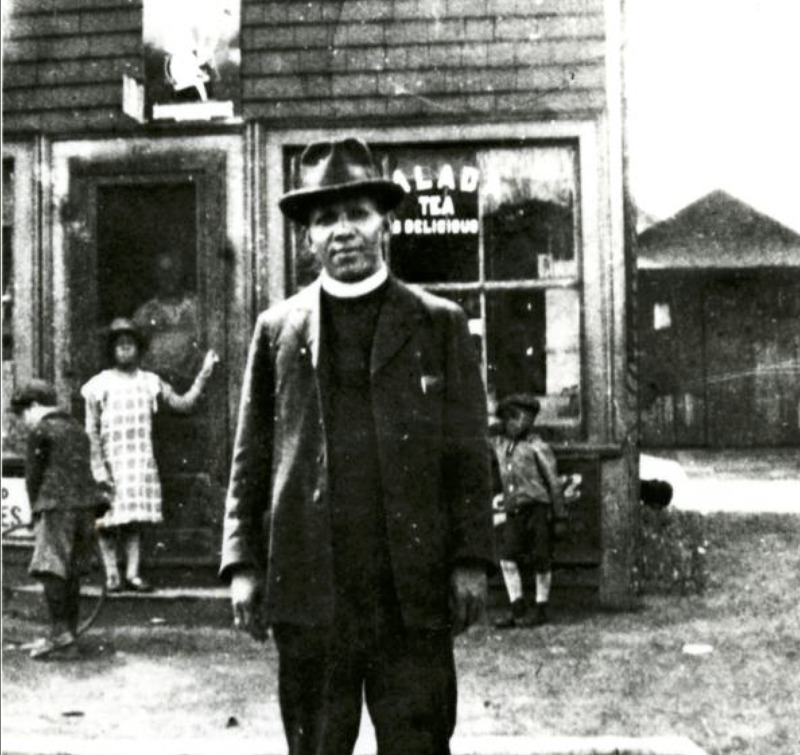
St. Cyprian's Mission
In 1925, the diocese opened St. Cyprian's Mission on Henry Street. The church was led by Caribbean pastor Rev. England. There is an assumption that the church was created so white members wouldn't have to interact with Black members anymore. The church was open up until 1932, when the decision was made to close the church and keep it as a hall.
The African Methodist Episcopal Church (AME)
In 1902 the AME was created in Sydney. Its organizer was Reverend John Coleman. The AME used "Shack 81" as its mission headquarters in Cape Breton, the church is thought to have been located on Tupper Street, but it is possible that there was never an actual church and this was just "Shack 81." The church hit a decline around 1904 since AAs in the community started leaving the area, and so did the success of the church.
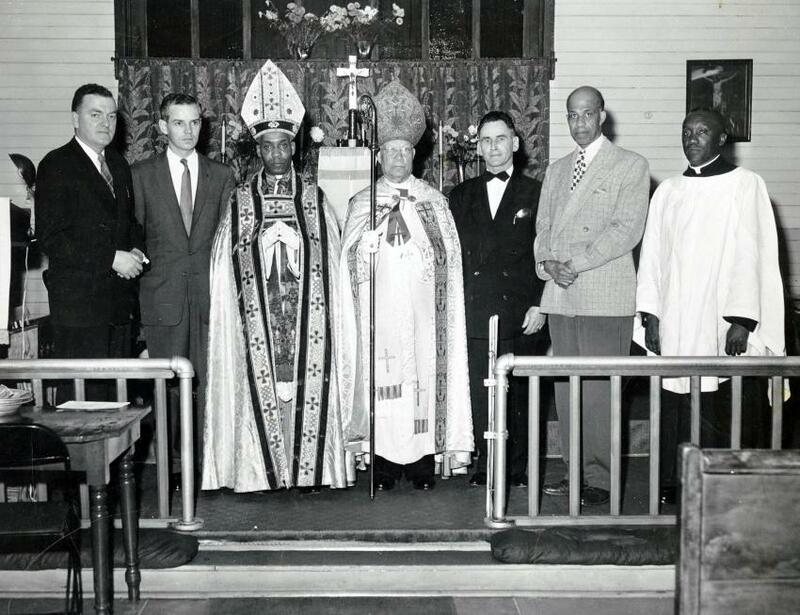
The St. Philips African Orthodox Church (AOC)
The AOC started in Sydney in 1921 when Rev. Robertson came in response to Black community members who didn't feel comfortable attending other churches after a racial incident about Black people facing opposition to them attending a local church. This church was a separate church for Black people in the community to go to that was a Black church created under Black people's direction, unlike St. Cyprian, which was a Black church created by white people who didn't want them practicing with them.
Work without Steel
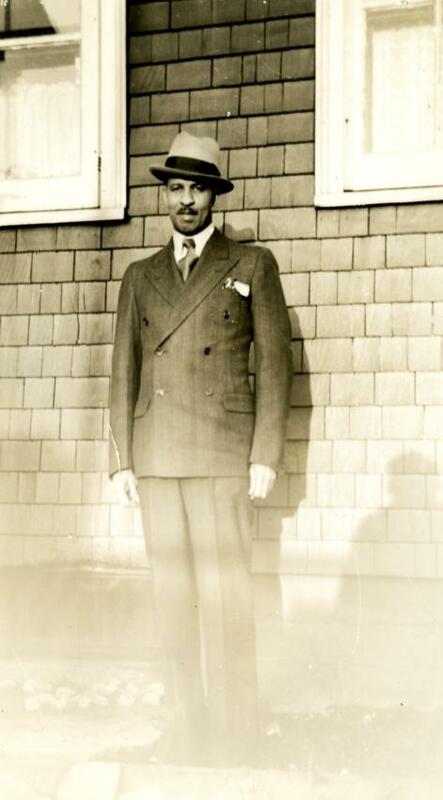
Groups of West Indians arrived in Sydney and established small businesses in the area of Whitney Pier, using trades they already had experience in from their time in the Caribbean. They were owners of grocery, book, and jewellrey stores, and they provided services like shoemaking, tailoring, carpentry, and plastering. There were difficulties in owning a store, though, with one man speaking on how his business was destroyed in a fire that was a bit suspicious so he just continued his business from his home instead of having a shop front.
Many Caribbean women in the area made a profit by baking and cooking food for single men who were working at the steel plant; many were seamstresses or doing a lot of domestic work, which was prevalent for West Indian women in these times.
Prominent names in business
Doctor Alvinus Calder, a McGill University graduate from Grenada who set up practice in Whitney Pier and was the first president of the Sydney UNIA in 1919, and Frederick Alex Hamiliton, a lawyer from Barbados. F.A. Hamiliton set up a law practice in Sydney and he created one of the first Black newspapers in Cape Breton, The Nova Scotia Gleaner, in 1929. It was published weekly and edited by him with articles surrounding Black communities in Nova Scotia and their day-to-day lives and accomplishments.