Steel Army: Recruitment of Workers
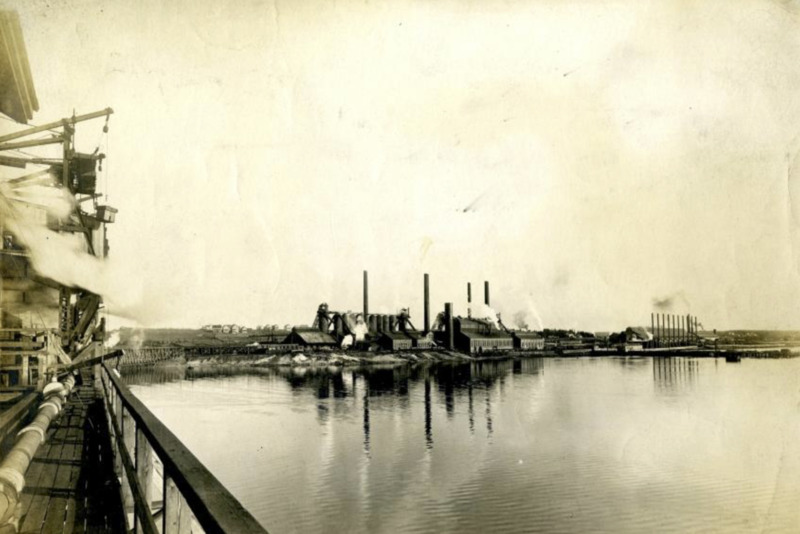
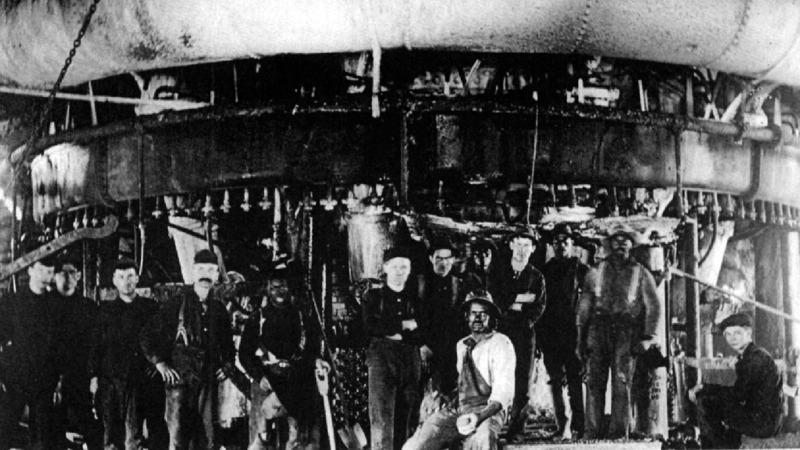
The start of a Black community in the Sydney–Glace Bay region starts with African American southerners. Lured in with the promise of high wages, better housing, and their wives and kids coming.
In 1901 a group of skilled Black American Southerners arrived in Sydney, Cape Breton to work at DISCO (Dominion Iron & Steel Co.). Black workers were recruited due to DISCO being mainly American-led with American machinery, they were likely to be hired for their experience and the notion that Black men were more likely to bring more men over with them than white men were. It is said that the majority of these men left around 1904, accounts have stated it was due to a major strike in 1904 or some due to the falsity of what they were promised. Yet it does appear that African Americans we're still being hired years later.
Due to economic loss in the West Indies (mainly Barbados) from their sugar industry, these countries started sponsoring people to go work in different countries in hopes of bettering their economy. Jumping to 1909-1911, mass amounts of Caribbean immigrants started immigrating looking for work, with DISCO flocking to replace the loss of many African American workers years prior.
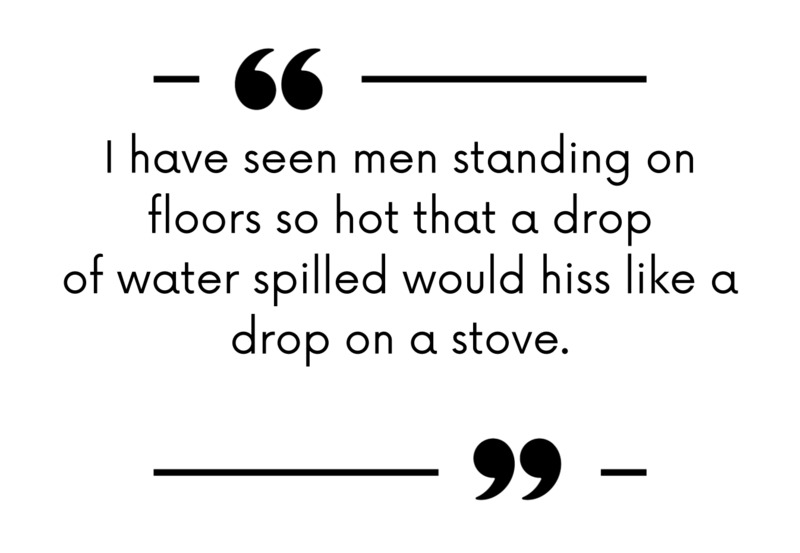
When working at DISCO, they were not seen as at the same level of skill as the African Americans before them, which meant less pay and little job security. Under racial logic, Caribbean workers were seen as more able to work in the heat, so they were put to work mainly in the blast furnace.
The city of cokeovens
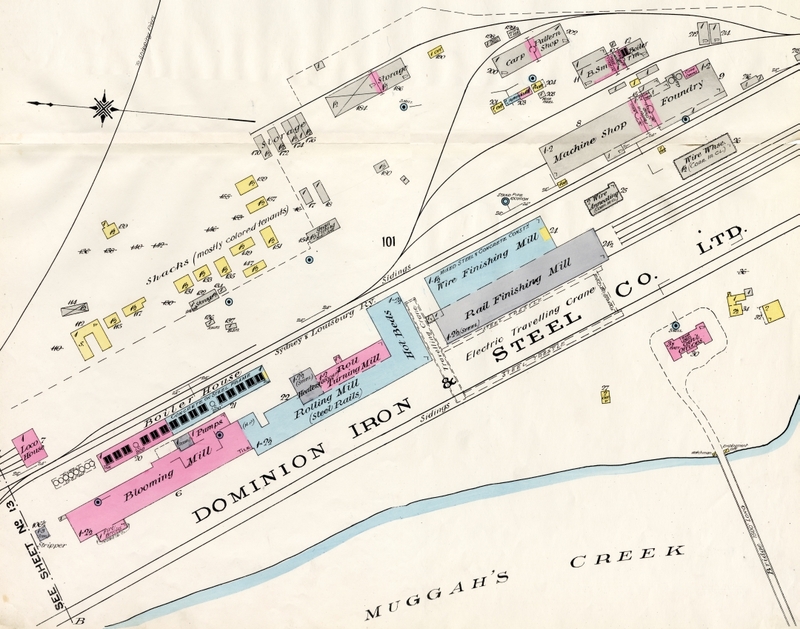
Back in 1901, as mentioned, the African American steelworkers were promised good company housing but were instead put in the worst part of a place called Whitney Pier. These shacks were known as Shackville or Cokeville due to their proximity to the coke ovens. The conditions of these houses were described in a Sydney Daily Post article in 1901 as "exceedingly flithy"; these houses did not have heat or running water.
DISCO didn't do much to renovate these accommodations, with superintendent John H. Means sending a letter to Bart Bryan for him to lead stove pipes throughout the house so people will be "partially heated by the radiation, not even caring about the fire risks that brings. But it was important to them to get heat for these men because of the belief that they could not handle the cold and then would leave Canada.
These same shacks were then used to house the Caribbean workers, which you could imagine were in even worse shape almost a decade later. Despite the terrible conditions and public narratives, it was prevalent that when Caribbean workers got there, African Americans had created a lively community in Whitney Pier.