
Mosaics
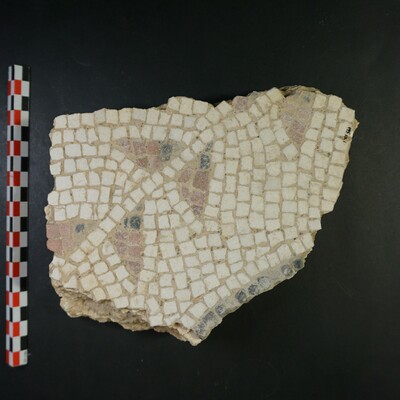
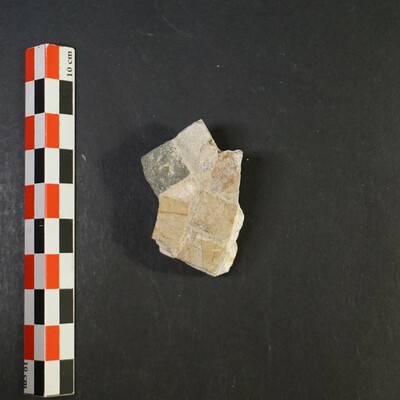
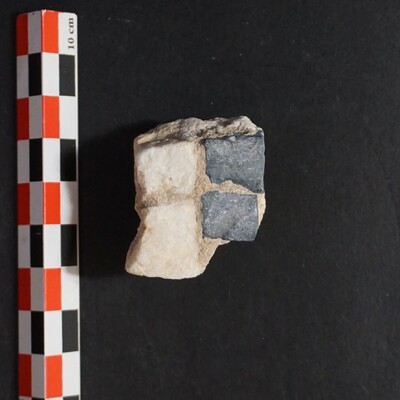
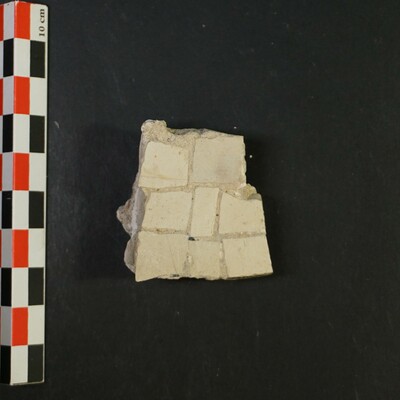
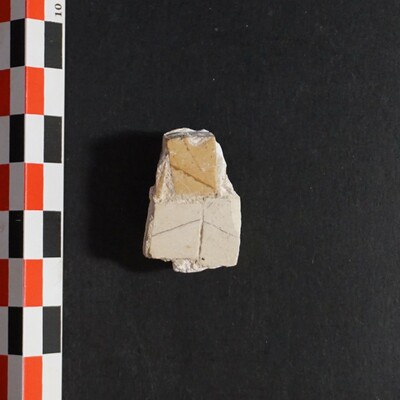
A mosaic is a type of decorative stonework that uses small square pieces of coloured stone to create an image. Mosaics were most often used in flooring, but they came to be used on walls and ceilings. Mosaics saw widespread use in Greek and Roman architecture in antiquity, particularly in public areas and in the homes of the wealthy as a status symbol.
In earlier periods in Greece, mosaics were made with round river rocks set in geometric patterns. Below are geometric style mosaics found in Pella, an important city in ancient Macedonia.
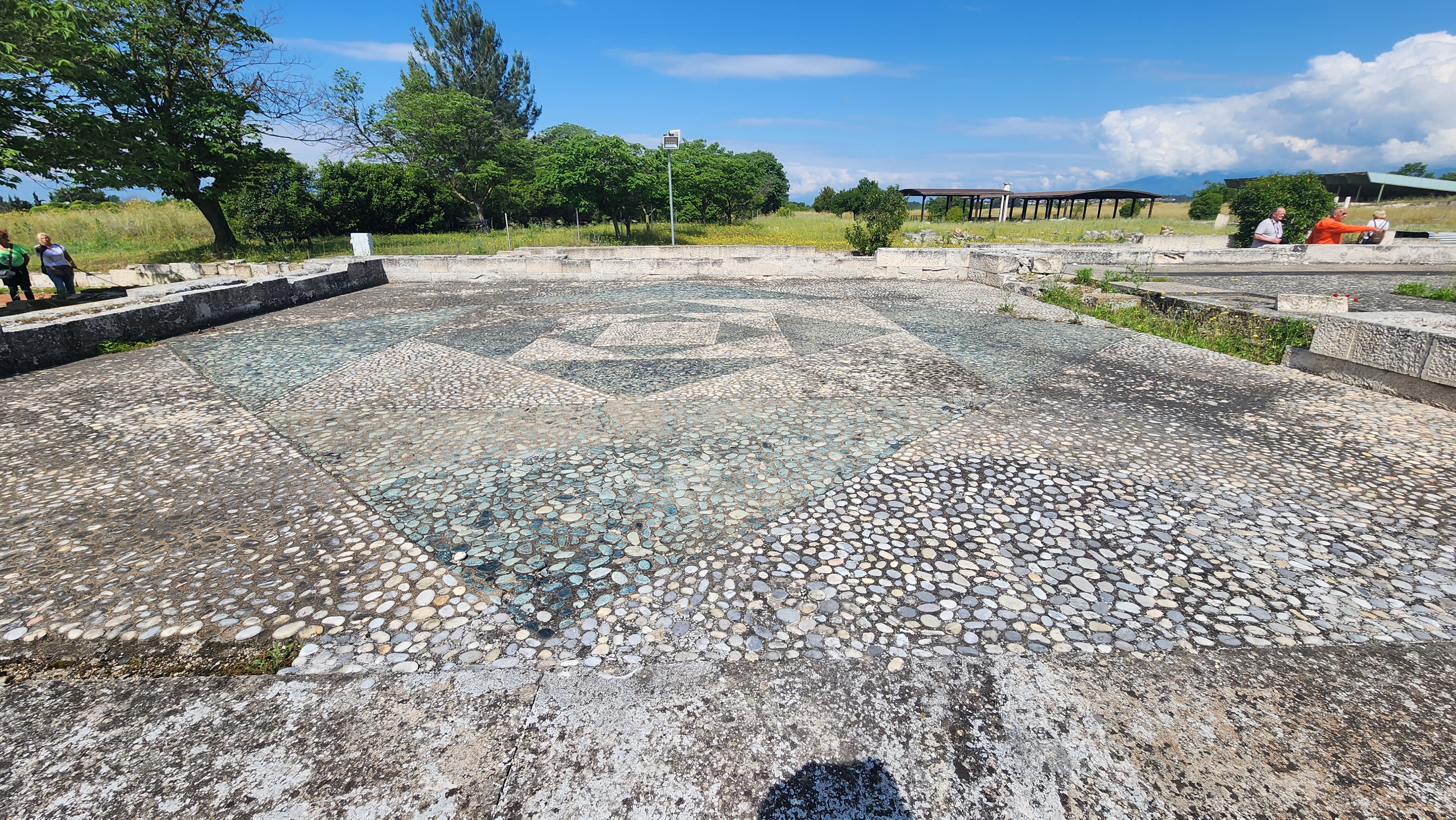
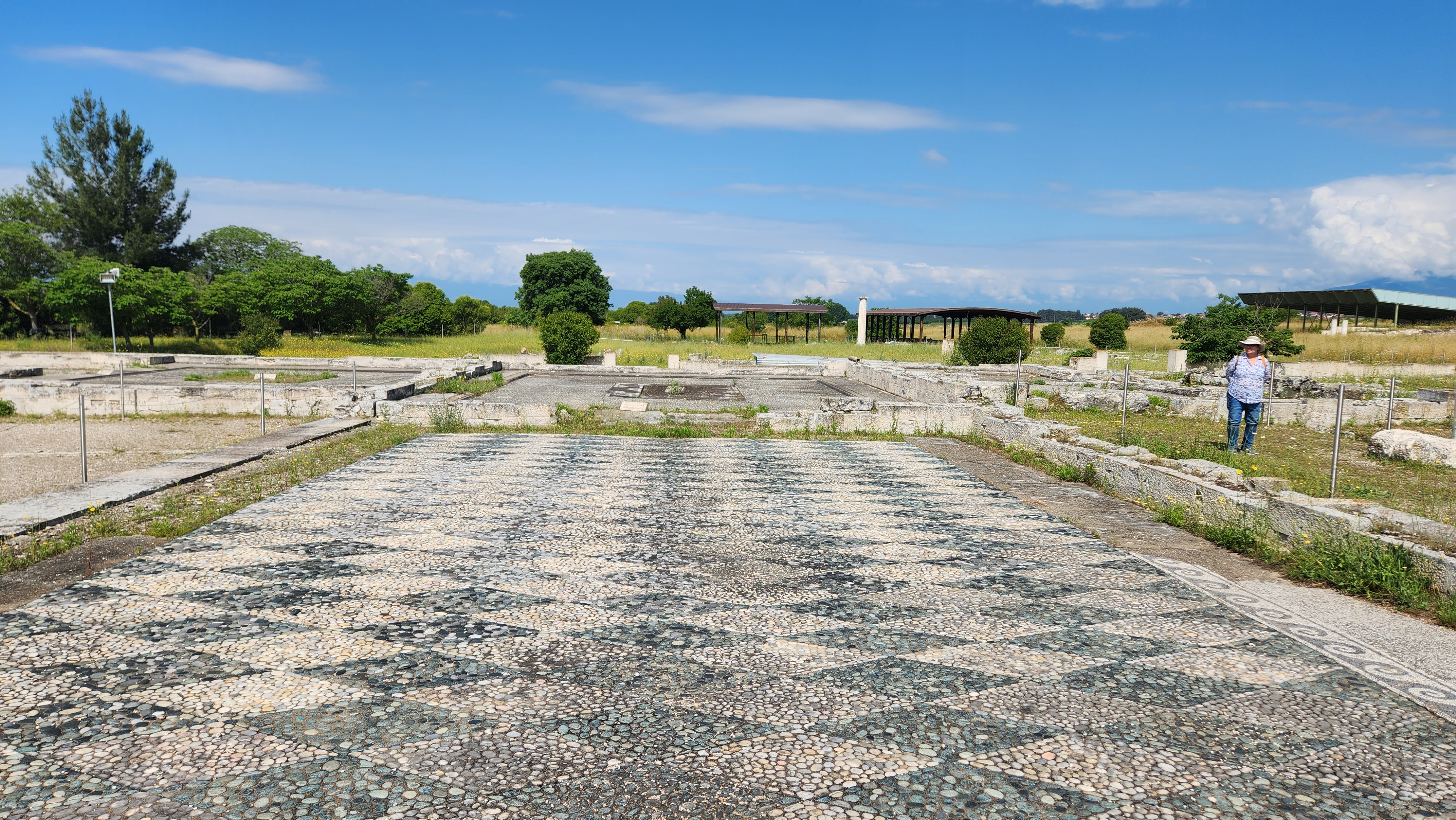
Photos: Rhys Tushingham, in Pella, Greece (taken 2023-05-29)
In later years, mosaics were made with small cube-like pieces of coloured stone called tesserae, which were used to create visuals like the above geometric patterns, but they were also used in depictions of scenes from mythology or daily life, such as the Stag Hunt Mosaic in Pella, shown below. These smaller and more uniformly shaped pieces allowed for more dense and intricate designs.
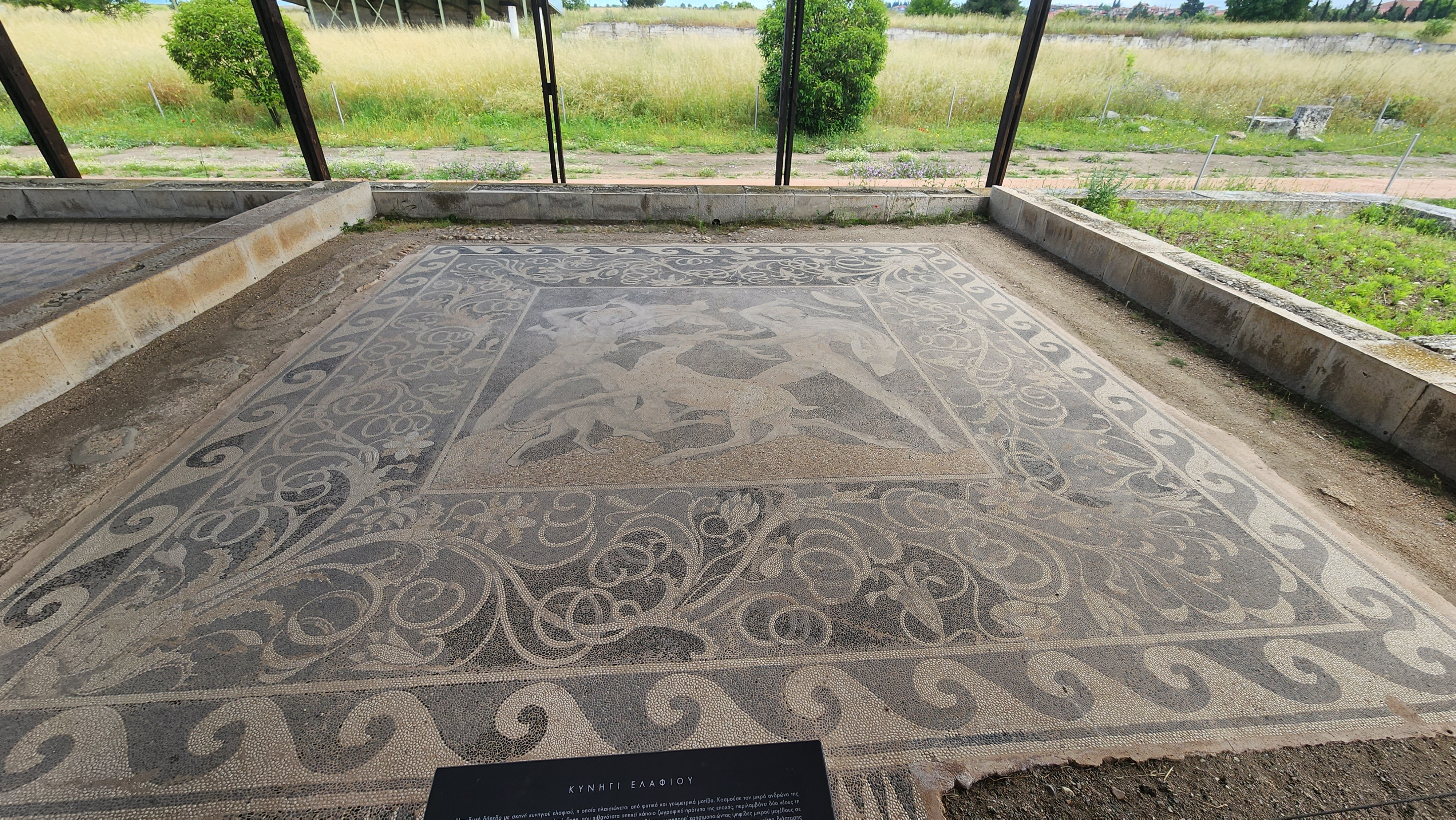
Photo: Rhys Tushingham, in Pella, Greece (taken 2023-05-29)
In more complex mosaics, glass cubes were used to add more unique colours not achievable through stones alone, and strips of terracotta would be used to clarify details or transitions in complex shapes.[1] When mosaics were used for wall decoration, it was discovered that wall mosaics are stronger on vaulted or curved surfaces due to the mutual tension between pieces in a curved arrangement. Restoration efforts on ancient mosaics have revealed that mosaics on curved walls and ceilings have been preserved better than mosaics on flat walls or ceilings, where there is no tension or support between pieces.[2]
The development of mosaic techniques continued into late antiquity. This period saw great change in Europe, in both political and religious terms. A fully christianized but divided Roman Empire used mosaics in church buildings to depict biblical scenes and to project the power of the emperor. Between the fourth and eleventh centuries CE the Byzantine Empire produced many stunning mosaics decorating the interior walls of churches across their empire. A great example is the mosaic below, placed above the southwestern entrance of the Hagia Sophia in Istanbul, Turkey. This tenth century mosaic depicts the Virgin Mary in the centre with baby Jesus, with the fourth century Roman emperor Constantine I on the right handing her the city of Constantinople, and the sixth century Byzantine emperor Justinian I on the left handing her the Hagia Sophia itself. The imagery demonstrates the emperors’ piety and connects them to divine authority.[3]
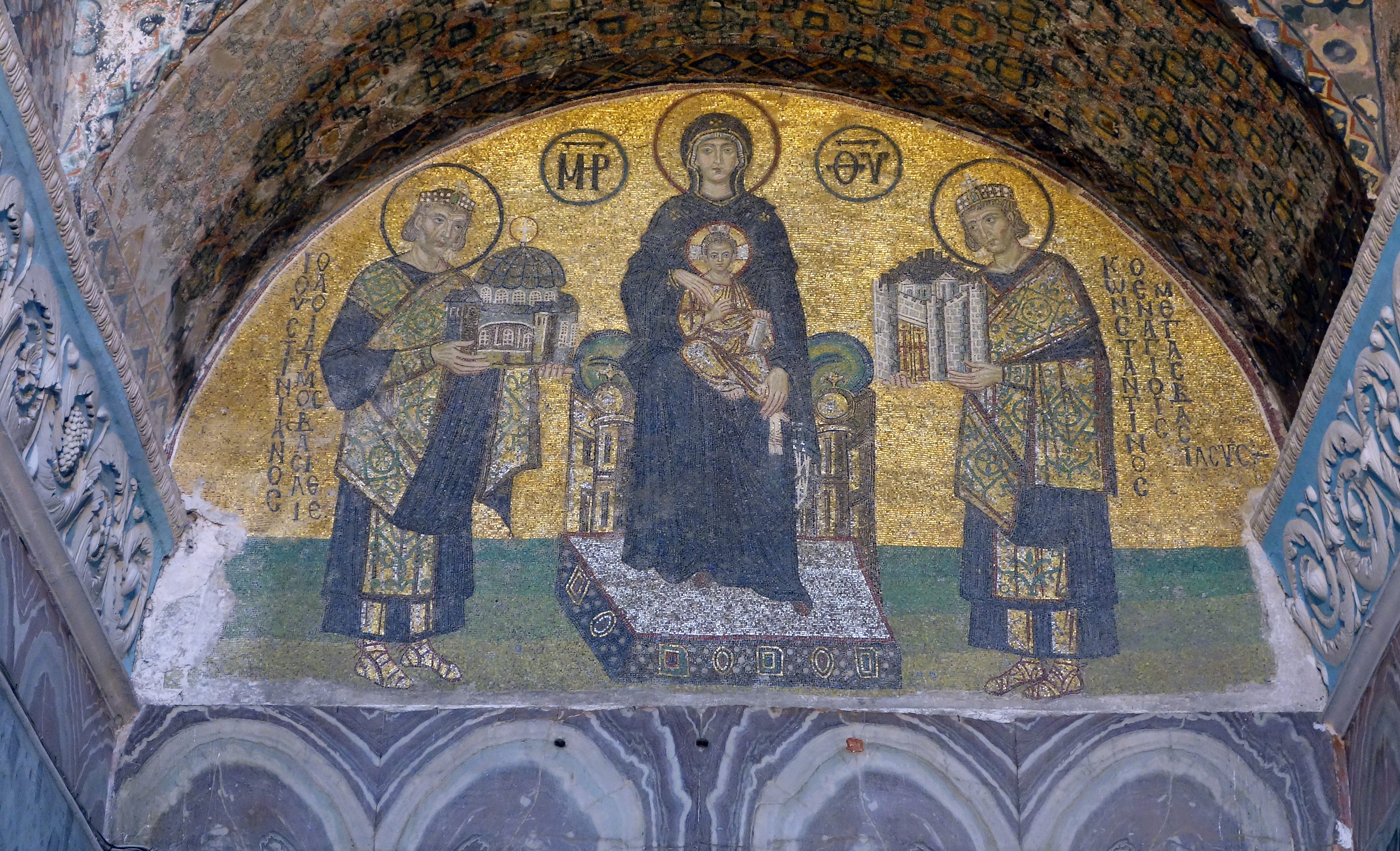
Photo: Steven Zucker, in Hagia Sophia, Istanbul, Turkey (CC BY-NC-SA 2.0)
Sources
[1] Lapatin, K. 2014. "The Materials and Techniques of Greek and Roman Art." In The Oxford Handbook of Greek and Roman Art and Architecture, edited by C. Marconi. Oxford: Oxford University Press. 223.
[2] Demus, O. 1955. "Byzantine Mosaic Decoration: Aspects of Monumental Art In Byzantium." Boston: Boston Book & Art Shop. 12-13.
[3] Allen, W. 2021. "Hagia Sophia, Istanbul: Architecture in Focus." In Guide to Byzantine Art, edited by E. Freeman & A. McClanan. New York: Smarthistory. 123-126.